
Language learning is often described as a way to travel more easily, enjoy foreign media, or connect with people from different cultures. Those are all good reasons to learn. But there is another important reason that does not always get enough attention: languages can save lives.
In an emergency, clear communication can make the difference between confusion and action. You may need to explain where you are, understand a warning, ask for medical help, or calm someone who is frightened. Even basic language skills can help you act faster and make better decisions.
This does not mean you need to become fluent in every language you encounter. It means that learning useful phrases, listening carefully, and understanding cultural context can make you more prepared. For anyone asking why learn a language, the answer is not only personal growth. It can also be safety, trust, and human connection.
Why Language Skills Matter in Critical Situations
Emergencies are stressful. People speak quickly, emotions are high, and there may be little time to clarify what someone means. When you understand even part of another language, you have one more tool to reduce confusion.
Communication in emergencies depends on accuracy. A small misunderstanding can lead to delays or wrong assumptions. For example, if someone says they are allergic to a medication, need an ambulance, or cannot find a child, those details matter immediately. Being able to understand or ask simple questions can help people get the right support sooner.
Language skills are also important because not everyone feels comfortable speaking English in a crisis. A person who knows some English in daily life may struggle to explain pain, fear, or danger under pressure. If you can use their language, even at a basic level, you may help them feel safer and more understood.
Multilingual communication also builds trust. In difficult moments, people are more likely to cooperate when they feel respected. A simple phrase like “I can help,” “Are you hurt?” or “Please stay here” in someone’s language can make instructions feel clearer and more human.
Language is not only about words. It also includes tone, politeness, gestures, and cultural expectations. Learning a language helps you notice how people express urgency, discomfort, agreement, or uncertainty. That awareness can reduce mistakes when clear understanding is most important.
Real-Life Ways Languages Can Help Save Lives
One of the most common situations where language skills matter is travel. When you visit another country, you may need to read warning signs, understand transport announcements, or ask for directions during an unexpected problem. If there is a fire alarm, severe weather warning, or evacuation notice, recognizing key words can help you respond quickly.
Imagine you are traveling and someone near you becomes ill. You may not be a medical professional, but you might be able to ask, “Do you need help?” or “Should I call an ambulance?” If the person does not speak English well, those basic phrases could make it easier to understand what they need.
Healthcare is another area where language learning has real value. Patients need to describe symptoms, pain levels, allergies, and medical history. Medical workers need to explain instructions clearly. When people do not share a language, misunderstandings can happen more easily.
Of course, serious medical communication should involve trained interpreters whenever possible. But in everyday situations, basic language skills can still help. You might help a friend describe a symptom at a pharmacy, understand instructions for taking medicine, or ask whether something contains an ingredient they must avoid.
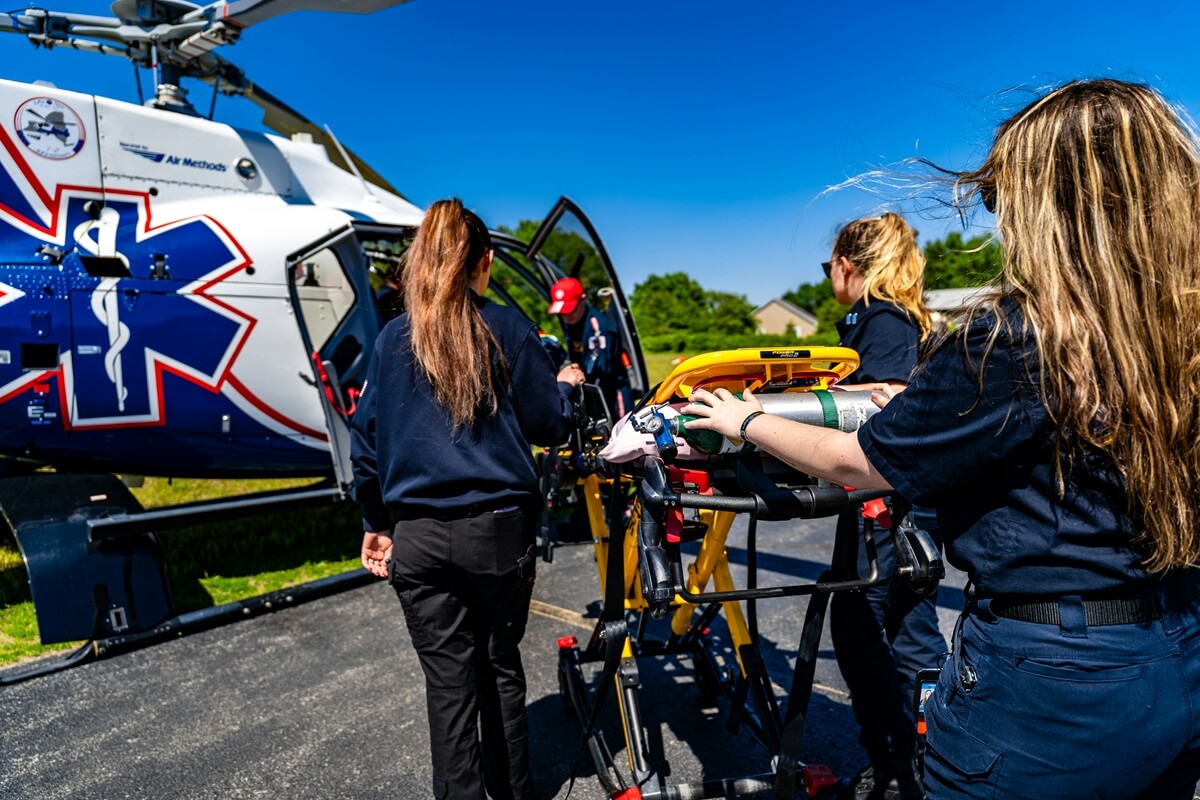
Natural disasters also show the importance of multilingual communication. Earthquakes, floods, storms, and wildfires often require fast public instructions. People may need to know where to go, what to avoid, or when it is safe to return. If emergency information is only understood by part of the community, some people may be left behind.
For language learners, this is a practical reminder: emergency vocabulary is worth learning. Words like danger, exit, help, hospital, police, fire, water, closed, open, stop, and wait can be surprisingly useful. These are not advanced words, but they can carry a lot of meaning in urgent situations.
Public safety is another realistic example. You might witness an accident, lose your passport, or need to report suspicious activity while abroad. Knowing how to state your location, describe a problem, or ask for official help can make the situation easier to handle.
Language can also help in smaller moments that prevent bigger problems. You may warn someone that a road is unsafe, tell a parent where their child went, or help a tourist understand that a train platform has changed. These situations may not always be dramatic, but they show how communication can protect people in everyday life.
There is also an emotional side to emergency communication. When someone is scared, hearing familiar words can be calming. Even if your grammar is not perfect, your effort can show kindness and respect. That can help someone listen, respond, and stay focused.
What Every Language Learner Can Take Away
The biggest lesson is that you do not need perfect fluency to make a difference. Many learners wait until they feel “ready” before using a language in real life. But in practical situations, simple language is often enough.
Start with survival phrases. Learn how to ask for help, say you do not understand, explain that there is a problem, and identify important places such as a hospital, police station, train station, or embassy. These phrases are useful for travel, daily life, and emergencies.
It also helps to learn key questions. For example: “Are you okay?” “Where does it hurt?” “Do you need a doctor?” “Can you walk?” and “Who should I call?” These questions are short, direct, and practical. They can help you gather important information without needing advanced conversation skills.
Pronunciation matters too. In an emergency, people may not have time to guess what you mean. Practicing clear pronunciation of essential words can make your language skills more useful. You do not need a perfect accent, but you should aim to be understood.
Listening is just as important as speaking. Many learners focus on what they can say, but understanding instructions is often more urgent. Practice listening for numbers, places, directions, warnings, and common emergency words. This can help you react faster when you hear announcements or instructions.
Another useful habit is learning how communication works in different cultures. Some people may avoid saying “no” directly. Others may use indirect language to be polite. In stressful situations, cultural awareness can help you understand what someone really means and avoid misreading their response.
For travelers, it is smart to learn basic emergency vocabulary before a trip. You can also save important phrases on your phone, write down local emergency numbers, and learn how to say your address or hotel name. These simple steps can make you feel more confident and prepared.
For people living in multilingual communities, language learning can make you a better neighbor. You may be able to help someone understand a public notice, communicate during a power outage, or find support during a difficult moment. Multilingual communication strengthens communities because it makes information more accessible.
The goal is not to replace professionals, interpreters, or emergency workers. The goal is to reduce barriers until proper help is available. Basic language skills can support communication, build trust, and make practical action easier.
Conclusion
Language learning is more than a hobby or a school subject. It is a real-world skill that can help you connect, understand, and respond when communication matters most. In travel, healthcare, natural disasters, and public safety, even simple phrases can make a meaningful difference.
The idea that languages can save lives is not about dramatic heroism. It is about everyday preparedness. It is about being able to ask the right question, understand an important warning, or help someone feel calm enough to explain what they need.
So if you are wondering why learn a language, remember this: every useful word gives you another way to help. You may never know when a phrase you learned for travel, conversation, or curiosity becomes important in a critical moment. But when it does, your language skills can become a bridge between confusion and safety.