Russian Grammar Explained: How the Alphabet, Cases, Gender, and Aspect Work Together
- Russian
- · Updated
- 3 min read
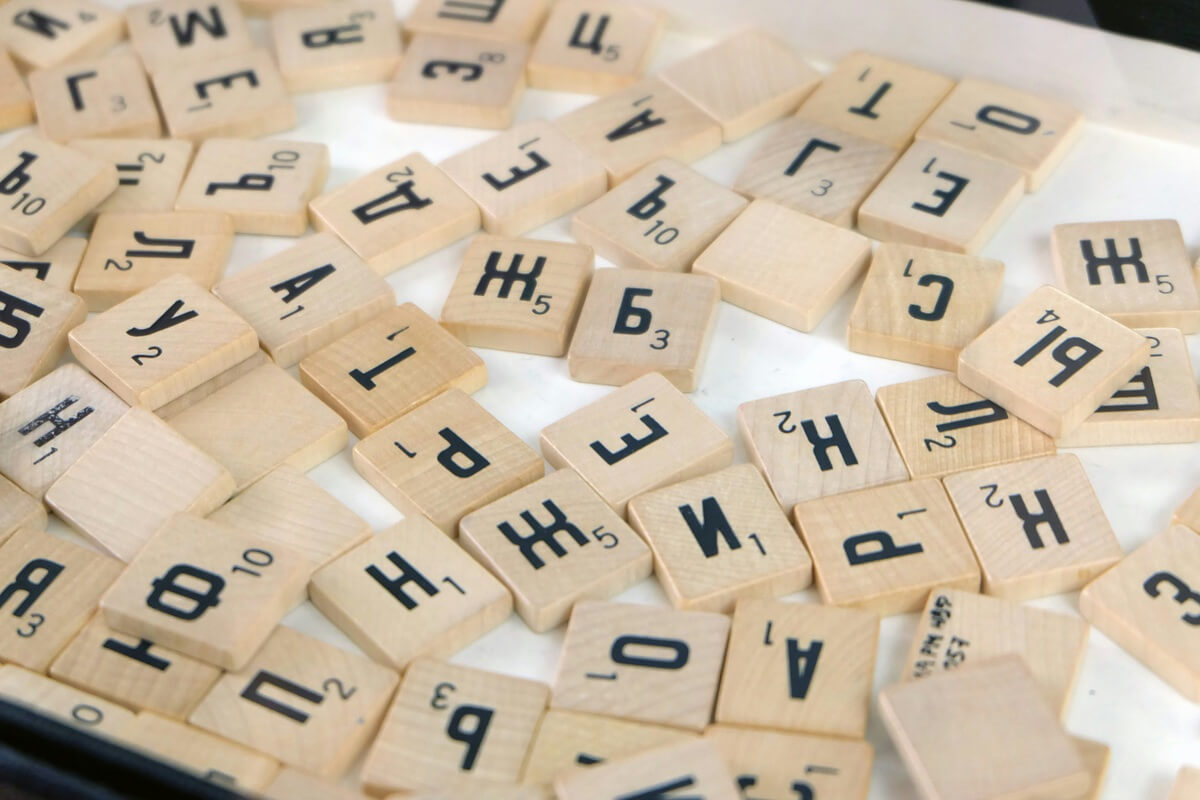
Russian grammar has a reputation for being intimidating and unforgiving. But here’s the good news: it’s systematic and rational, and once you master the fundamentals, it’s far more intuitive than you might think. If you’re starting out, forget perfection. Focus on patterns. Russian is a highly inflected language, so word endings do most of the heavy lifting. This primer will get you started.
1 Cyrillic Alphabet: Your Starting Line
Let’s get started: you’ll need to learn the Cyrillic script. It has 33 letters—some look like Latin letters but sound different. A few examples:
- В = v
- Р = r (looks like “P”)
- Н = n
- Х = kh (like the ch in German Bach)
- Ю = yu
- Я = ya
Master the alphabet early. It’s your passport to pronunciation, spelling, and reading real Russian words instead of romanized guesses.
2 Cases: The Backbone of Russian
Russian has six grammatical cases. Think of cases as “tags” that mark a word’s role in the sentence—subject, object, direction, possession, and so on. The same noun changes form depending on its case.
Quick rundown (using дом “house”):
| Case | What it marks | Example |
|---|---|---|
| Nominative | Subject | Дом стоит. — The house stands. |
| Accusative | Direct object; motion toward a place | Я вижу дом. — I see the house. |
| Genitive | Possession; negation | Нет дома. — There is no house. |
| Dative | Indirect object (to/for someone) | Я дал брату книгу. — I gave my brother a book. |
| Instrumental | Means/“with”; accompaniment; predicate complement | Я доволен домом. — I’m satisfied with the house. |
| Prepositional | Location or topic (with certain prepositions) | В доме. — In the house. |
Endings depend on gender, number, and case. It’s a lot at first, but the rules are consistent.
3 Gender: Every Noun Has One
Russian nouns are masculine, feminine, or neuter. This affects adjective endings and past-tense verb forms.
Quick tips:
- Words ending in a consonant are usually masculine.
- -а / -я endings are usually feminine.
- -о / -е endings are usually neuter.
Examples:
стол (table) — masculine
книга (book) — feminine
море (sea) — neuter
4 Verbs: Aspect and Conjugation
Russian verbs have aspect, which expresses whether an action is ongoing/repeated or completed.
- Imperfective = repeated, ongoing, or habitual action
- Perfective = a single, completed, one-off action
Examples:
делать — to do (imperfective)
сделать — to do/finish (perfective)
Verbs also conjugate for person, number, and tense, and most verbs follow one of two general conjugation patterns.
5 Word Order: Purposeful but Flexible
Because cases mark grammatical roles, Russian word order is relatively flexible. The neutral, most common order is SVO (Subject–Verb–Object).
You can shift word order for emphasis:
- Я люблю тебя. — I love you.
- Тебя я люблю. — It’s you I love. (emphasizes “you”)
Word position matters less than case marking—you move words mainly to highlight what’s important.
6 Adjectives Agree With Nouns
Adjectives must agree with the noun they modify in gender, number, and case.
Examples (nominative):
большой дом — big house (masc.)
большая книга — big book (fem.)
большое море — big sea (neut.)
Again: pattern recognition is key.