

Picture this: you’re confidently ordering dinner in a bustling Tokyo restaurant, chatting with locals at a café in Paris, or finally understanding your favorite K-drama without subtitles. Learning a new language opens doors to these magical moments and countless others.
Yet for many aspiring polyglots, the journey feels overwhelming. You might have started and stopped several times, wondering if fluency is just a distant dream. Here’s the truth: successful language learning isn’t about finding the “perfect” method—it’s about discovering activities you genuinely enjoy and can stick with long-term.
Every learner is unique. Some thrive with structured lessons, others prefer casual conversation practice, and many find success combining multiple approaches. The key is experimenting with different techniques until you find your personal winning formula.
Building Your Foundation: Getting Started Right
Before diving into complex grammar or advanced vocabulary, you need solid fundamentals. These foundational strategies help establish the basic building blocks of your target language.
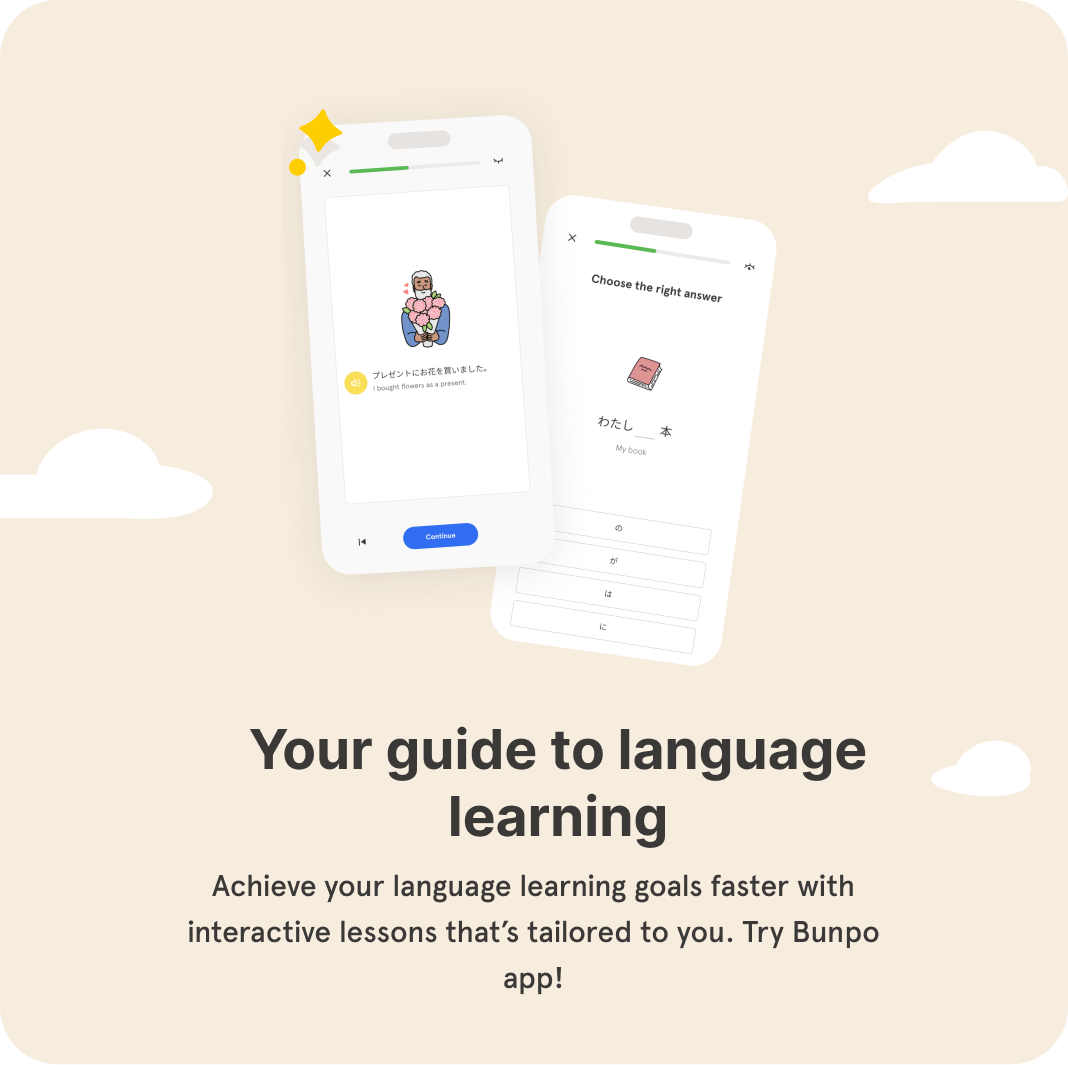
Interactive Learning Apps: Modern language apps offer structured lessons that adapt to your pace and learning style. They’re perfect for establishing daily study habits and covering essential grammar points systematically.
Free Online Courses: Platforms like edX offer comprehensive language courses from universities worldwide. These provide structured curricula similar to traditional classroom settings but with the flexibility of self-paced learning.
Grammar Textbooks: While not the most exciting option, quality textbooks excel at explaining grammatical concepts clearly. They’re particularly valuable for understanding complex language structures and serve as reliable reference materials.
Traditional Classes: In-person instruction offers immediate feedback and social interaction. If budget allows and you learn well in group settings, language schools can provide valuable structure and accountability.
Mastering Vocabulary: Words That Stick
Vocabulary forms the backbone of language fluency. Without words, even perfect grammar becomes useless. These strategies help you build and retain a robust vocabulary efficiently.
High-Frequency Word Lists: Focus on the most commonly used words first. Learning the top 1,000 words in any language covers approximately 80% of everyday conversation—a powerful shortcut to basic communication.
Flashcard Systems: Digital flashcards with spaced repetition algorithms optimize memory retention. This scientifically-backed approach ensures you review words just before you’re likely to forget them.
Music-Based Learning: Songs naturally stick in our memory thanks to rhythm and melody. Find popular songs in your target language and learn the lyrics—you’ll absorb vocabulary painlessly while enjoying catchy tunes.
Household Labeling: Transform your living space into a vocabulary classroom. Place labels on everyday objects like “refrigerator,” “mirror,” or “coffee maker.” This constant exposure reinforces words through daily routines.
Translation Tools: Modern translation apps can satisfy your curiosity instantly. Wondering how to say “procrastination” in German? Look it up immediately while your interest is peaked.
Speaking Confidence: Finding Your Voice
Speaking often feels like the most intimidating language skill, but it’s also one of the most rewarding. These techniques help you develop speaking confidence gradually and naturally.
Language Exchange Partnerships: Connect with native speakers learning your language through online platforms. This mutually beneficial arrangement provides authentic conversation practice while helping someone else achieve their goals.
Conversation Groups: Organize regular meetups with fellow learners via video chat. Even beginners can practice basic phrases together, creating a supportive environment for making mistakes and improving.
Shadowing Technique: This powerful method involves listening to native speakers and immediately repeating what they say, like an echo. Shadowing improves pronunciation, rhythm, and natural speech patterns simultaneously.
Self-Conversation Practice: Talk to yourself while cooking, showering, or commuting. Create imaginary scenarios like ordering food or asking for directions. This private practice builds confidence without social pressure.
Recording Progress: Document your speaking journey by recording yourself weekly. You’ll be amazed at your improvement over time, and these recordings help identify specific areas needing work.
Reading Aloud: Practice pronunciation and fluency by reading texts aloud. This technique strengthens the connection between written and spoken language while improving articulation.
Content Creation: Start a language learning blog, podcast, or video series in your target language. Creating content forces you to organize thoughts clearly and provides regular speaking practice.
Professional Tutoring: Online tutors offer personalized feedback and structured conversation practice. They can identify pronunciation issues and provide targeted exercises for improvement.
Developing Listening Skills: Understanding the Real World
Listening comprehension enables you to understand native speakers at natural speed—a crucial milestone in language mastery. These strategies expose you to authentic language in engaging contexts.
Television and Streaming: Choose shows in your target language and experiment with subtitle strategies. Start with your native language subtitles, progress to target language subtitles, then watch without subtitles entirely.
Educational Videos: Learn about topics you enjoy in your target language. Whether it’s cooking tutorials, fitness routines, or history documentaries, you’ll absorb language naturally while gaining knowledge.
Music Discovery: Explore popular music from countries speaking your target language. Streaming platforms make it easy to discover regional hits and understand cultural context through lyrics.
Podcast Immersion: Find podcasts matching your interests and current language level. Start with simpler content and gradually progress to more complex discussions as your comprehension improves.
News Programming: International news provides current vocabulary and formal language structures. Choose topics you follow in your native language to leverage background knowledge while learning.
Radio Streams: Internet radio offers insight into daily life and colloquial expressions. Local radio stations provide authentic cultural context often missing from textbooks.
Audiobook Adventures: Listen to books in your target language, starting with familiar stories or simple narratives. Audiobooks develop sustained listening skills and expose you to literary vocabulary.
Reading Mastery: Expanding Your Written Comprehension
Reading develops grammar intuition, expands vocabulary, and provides cultural insights. These approaches make reading practice enjoyable and effective across different skill levels.
Blog Exploration: Personal blogs offer informal, contemporary language use. Find bloggers writing about your interests—travel, cooking, technology—and follow their updates regularly.
Historical Content: Dive into the history of countries speaking your target language. This provides cultural context while exposing you to more formal, academic vocabulary.
News Sources: Read newspapers and online news sites to stay informed while practicing. News articles use current vocabulary and provide insight into social issues and cultural perspectives.
Newsletter Subscriptions: Sign up for email newsletters in your target language covering topics you enjoy. This delivers regular reading practice directly to your inbox.
Online Publications: Platforms like Medium host articles in multiple languages. Search for writers discussing subjects you’re passionate about and follow their work.
Familiar Stories: Read books you’ve enjoyed in your native language, translated into your target language. Knowing the plot helps you understand context even when encountering unfamiliar words.
Combined Audio-Text: Read along while listening to audiobooks. This powerful technique connects written and spoken forms while improving pronunciation and reading speed.
Making It Stick: Your Language Learning Journey
The most effective language learning approach combines multiple strategies tailored to your preferences, schedule, and goals. Experiment with different techniques from each category—foundation building, vocabulary acquisition, speaking practice, listening development, and reading comprehension.
Remember that consistency beats intensity. Studying for 20 minutes daily surpasses cramming for three hours once weekly. Find activities you genuinely enjoy, because sustainable motivation comes from intrinsic interest, not external pressure.
Your language learning journey is uniquely yours. Some days you’ll feel like a linguistic genius; others might leave you questioning everything. Both experiences are normal and valuable. Embrace the process, celebrate small victories, and trust that every word learned and every conversation attempted brings you closer to fluency.
Start with one or two strategies that appeal to you most. As they become habitual, gradually incorporate additional techniques. Before you know it, you’ll be living those magical moments you once only imagined—confidently navigating conversations in your new language with the satisfaction that comes from persistent, enjoyable practice.