10 Fun British Expressions You Should Know
- Language
- · Updated
- 3 min read
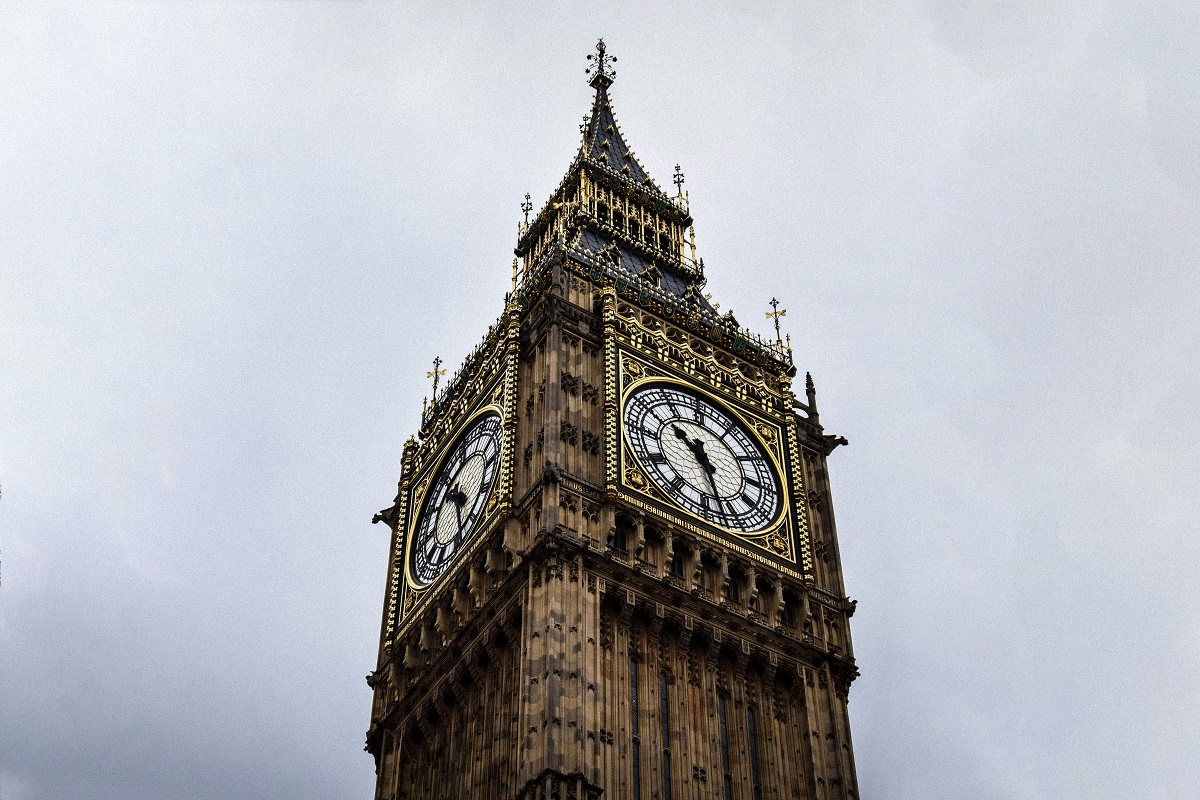
The English language, in all its quirky, complex glory, is full of colorful expressions. But step across the pond to the United Kingdom, and you’ll find that British English puts a unique spin on things. From historical idioms to vibrant colloquialisms, British phrases often bewilder—and amuse—visitors not used to hearing them.
Whether you’re planning a trip to the UK or just love collecting new words and phrases, here are ten fun British expressions and their meanings to add to your vocabulary!
1. “Cheeky”
Meaning: Used for something a bit bold, fun, or slightly naughty in a light-hearted way.
Example: “I’m going to have a cheeky pint after work.”
“Cheeky” is one of those adjectives that can denote playfulness or harmless mischief. It describes anything from sneaking an extra treat to sharing a somewhat sassy comeback.
2. “Bob’s your uncle”
Meaning: Et voilà, it’s done!
Example: “Just add water, stir, and Bob’s your uncle!”
Used to suggest that something is easy to accomplish, “Bob’s your uncle” means success is guaranteed. The origin is unclear, but it’s been a set phrase in British English for over a century.
3. “Knees up”
Meaning: A lively party or celebration.
Example: “We’re having a knees-up for Sarah’s birthday!”
If you’re invited to a “knees up,” then you’re in for a good time! This rather antiquated expression conjures images of people dancing around with abandon, perhaps holding a pint or two. It’s synonymous with having a joyous celebration.
4. “Taking the mickey”
Meaning: To make fun of someone or tease them.
Example: “Are you taking the mickey out of me?”
“Taking the mickey,” or sometimes “taking the mick,” is all about playful teasing. Just be sure the person on the receiving end has a good sense of humor!
5. “Throw a spanner in the works”
Meaning: To disrupt or complicate a plan.
Example: “If it rains, it’ll throw a spanner in the works for our picnic.”
Equivalent to the American “throw a wrench in the works,” this phrase describes when something unexpected occurs that makes a plan difficult or impossible to execute. British humor often seeps into expressions like this one, making even annoyances sound ironic.
6. “Gobsmacked”
Meaning: Shocked or amazed.
Example: “I was absolutely gobsmacked by the surprise party!”
Imagine your mouth wide open in awe—that’s the essence of “gobsmacked.” Derived from “gob,” a slang term for mouth, it means to be utterly astounded or flabbergasted.
7. “Knackered”
Meaning: Exhausted.
Example: “I’m absolutely knackered after that hike.”
If someone says they’re “knackered,” they are very, very tired. It’s commonly used in Britain, often after a long day at work or after physical exertion.
8. “Chuffed”
Meaning: Very pleased or proud.
Example: “I’m absolutely chuffed to bits with my new job!”
To be “chuffed” means to feel accomplished or happy about something. It’s often used in British English to show personal satisfaction.
9. “Blimey”
Meaning: A term of surprise or disbelief.
Example: “Blimey, that’s a big cake!”
“Blimey” is a mild interjection used to express surprise. It can be positive, negative, or neutral and gives any conversation a distinctively British flavor!
10. “Give it a go”
Meaning: To try it out.
Example: “I’ve never been sailing, but I’ll give it a go.”
When you hear a Brit say they’ll “give it a go,” it means they’re about to try something new. It’s casual, easy-going, and simply means “why not?”
Bringing British Expressions to Your Life
These catchphrases offer insight into the playful, lighthearted aspect of British culture. Using a few of these in your day-to-day conversations might add just a bit of British charm to your vocabulary! So, next time you find yourself at a “knees up,” don’t forget to “give it a go” and maybe even be a little “cheeky” about it. Bob’s your uncle!