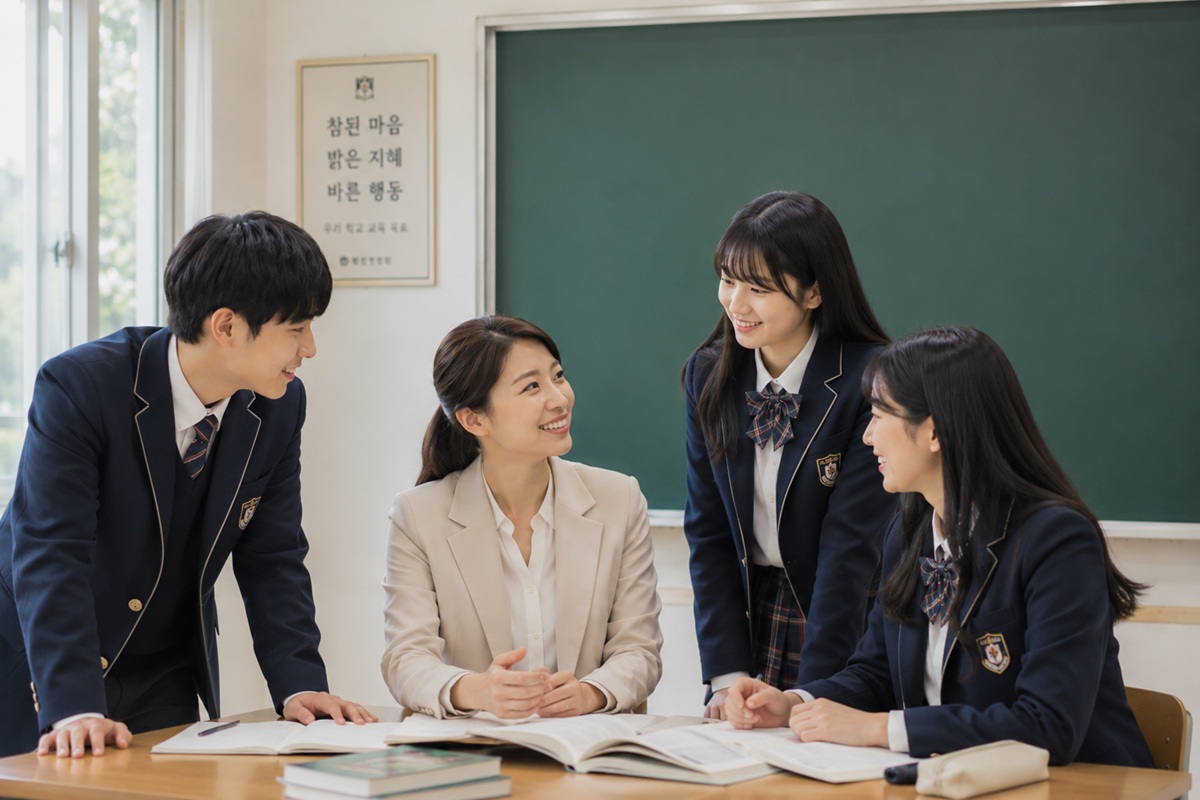
Picture this: you’re watching a Korean drama and notice characters constantly calling each other 선생님, 과장님, 오빠, 언니, or adding 씨 after someone’s name. These aren’t just names—they’re Korean honorific titles, an essential part of the language that reflects respect, relationships, and social hierarchy.
Korean honorifics are much more than polite expressions. They influence how people address one another in families, workplaces, schools, and even on social media. Understanding these honorific titles is one of the fastest ways to sound more natural and culturally aware when speaking Korean.
What Are Korean Honorifics?
Korean honorifics are words, suffixes, and titles used to show respect toward another person. Unlike English, where honorifics are usually limited to titles such as “Mr.,” “Mrs.,” or “Dr.,” Korean has a much richer system that appears throughout daily conversation.
The most common honorifics include:
- 님 (nim)
- 씨 (ssi)
- Family-based titles such as 오빠, 언니, 형, and 누나
- Professional titles such as 선생님 and 사장님
These honorifics help speakers indicate age differences, social relationships, professional status, and the level of respect they wish to show.
Why Honorific Titles Are Important in Korean Culture
Korean honorifics developed under centuries of Confucian influence, which places strong emphasis on respecting elders and maintaining social harmony.
Age is especially important. Even a one-year age difference can affect which title or honorific is appropriate. This is why Koreans often ask each other’s age shortly after meeting. Once they know the relationship, they can choose the correct title and speaking style.
Using the wrong title—or speaking too casually—can sound impolite. On the other hand, using the right honorific immediately creates a positive impression and shows cultural understanding.
The Two Most Important Korean Honorific Suffixes: 님 and 씨
For beginners, no honorifics are more important than 님 and 씨.
님 (nim)
님 is one of the highest and most widely used honorific suffixes in Korean. It adds respect and can be attached to titles, occupations, and family terms.
Examples:
- 선생 → 선생님 (teacher)
- 기사 → 기사님 (driver)
- 사장 → 사장님 (company president)
- 할아버지 → 할아버님 (grandfather, honorific)
You’ll encounter 님 everywhere, including online. Korean social media platforms often automatically attach 님 to usernames as a polite form of address.
씨 (ssi)
씨 is attached directly to a person’s name and functions somewhat like “Mr.” or “Ms.” in English, though it is used differently.
Examples:
- 수지 → 수지씨
- 민호 → 민호씨
You’ll frequently hear 씨 in workplaces, customer service situations, and formal conversations between adults who are not close.
Family Honorifics and Respectful Family Titles
Family relationships have their own honorific forms. These are commonly used when referring to someone else’s family members or when speaking respectfully.
Examples include:
- 아버지 → 아버님 (father)
- 어머니 → 어머님 (mother)
- 할아버지 → 할아버님 (grandfather)
- 할머니 → 할머님 (grandmother)
- 형 → 형님 (older brother)
- 아들 → 아드님 (son)
- 딸 → 따님 (daughter)
An important rule is that 아드님 and 따님 are normally used for someone else’s children, not your own. Using them for your own children can sound as though you are elevating them above yourself.
Korean Sibling Titles Used Beyond Family
One of the most unique features of Korean honorifics is that family titles are often used for non-family members.
Common examples include:
- 오빠 (older male addressed by a female)
- 언니 (older female addressed by a female)
- 형 (older male addressed by a male)
- 누나 (older female addressed by a male)
These titles are extremely common in K-dramas, K-pop, and everyday life. Once a relationship becomes close enough, people often stop using names entirely and use these titles instead.
For many Korean learners, these are among the first honorific titles they encounter.
Professional Titles in Korean
Workplace honorifics are another major part of Korean communication.
Common examples include:
- 선생님 (teacher)
- 사장님 (company president or business owner)
- 부장님 (department manager)
- 과장님 (section chief)
- 선배님 (senior colleague)
- 박사님 (doctor/PhD holder)
In many situations, titles are preferred over personal names. For example, calling someone “김부장님” (Manager Kim) is often more natural than using their first name.
Tips for Learning Korean Honorifics
You don’t need to memorize every honorific at once. Start with the titles you’ll hear most often:
- 님
- 씨
- 선생님
- 오빠
- 언니
- 형
- 누나
As you watch Korean dramas, listen to K-pop content, or speak with native speakers, pay attention to how these titles change depending on the relationship between people.
When in doubt, choosing a more respectful title is usually the safest option.
Final Thoughts
Korean honorifics are one of the most distinctive features of the Korean language. From everyday suffixes like 님 and 씨 to family-based titles such as 오빠 and 언니, these expressions reveal how Koreans build relationships and show respect through language.
Mastering Korean honorific titles won’t just improve your vocabulary—it will help you understand Korean culture and communicate more naturally with Korean speakers in every situation.