A Practical Guide to Saying Goodbye in Korean
- Korean
- · Updated
- 2 min read
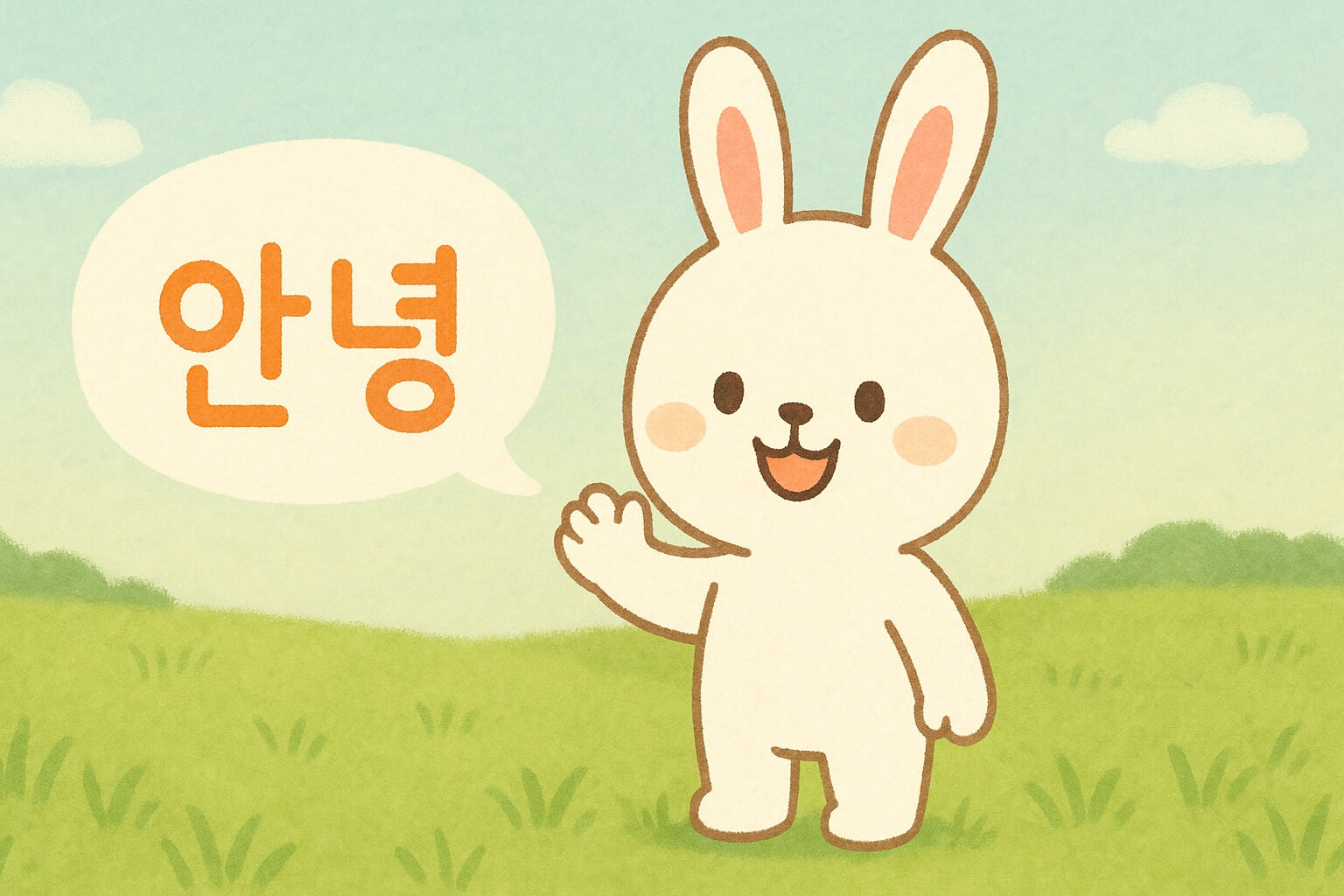
If you’re learning Korean, you’ll soon realize there’s no one-size-fits-all way to say goodbye. The appropriate expression depends on who you’re talking to, the setting, and the level of formality. Here’s a clear guide to various ways to say goodbye in Korean—made easy for daily use.
1. 안녕 (Annyeong) – Casual Goodbye
Use this with close friends, peers, or people younger than you. It’s like saying “bye” in English.
- Example: Leaving your friend’s house? Just say “안녕!”
Note: Don’t use this with your boss, teacher, or anyone in a formal setting. It’s strictly informal.
2. 안녕히 가세요 (Annyeonghi gaseyo) – “Go in peace”
This polite expression is used when the other person is leaving and you are staying. It literally means “go peacefully.”
- Example: Your friend is leaving your home. You say, “안녕히 가세요.”
3. 안녕히 계세요 (Annyeonghi gyeseyo) – “Stay in peace”
This is used when you are leaving and the other person is staying.
- Example: Leaving a restaurant and the staff stays behind? Tell them, “안녕히 계세요.”
4. 잘 가 (Jal ga) – “Go well”
This casual expression is the short form of “안녕히 가세요.” Use it with friends or familiar people. It’s informal, concise, and handy.
- Example: Saying goodbye to your friend after hanging out: “잘 가!”
5. 잘 있어 (Jal isseo) – “Stay well”
The casual form of “안녕히 계세요,” used when you’re leaving and your friend is staying.
- Example: You’re leaving a café, and your friend stays behind: “잘 있어!”
6. 다음에 봐요 (Daeume bwayo) – “See you next time”
This is a friendly, everyday expression to use when you’ll meet again.
- Use with colleagues, acquaintances, or classmates. For casual situations, use “다음에 봐.”
7. 또 봐요 / 또 봐 (Tto bwayo / Tto bwa) – “See you again”
Similar to saying “see you later.” “또 봐요” is polite, while “또 봐” is casual.
8. 내일 봐요 (Naeil bwayo) – “See you tomorrow”
Perfect for friends, colleagues, or classmates when you know you’ll see each other the next day.
Bonus: Texting Goodbyes
When texting, Koreans often use abbreviations or informal expressions:
- ㅂㅂ = “bye bye” abbreviation
- 빠이 (ppai) = Konglish “bye”
- 잘 자 = “Sleep well” (for evenings)
Quick Reference
| Situation | Say This |
|---|---|
| Informal with friends | 안녕, 잘 가, 잘 있어 |
| Polite (other leaves) | 안녕히 가세요 |
| Polite (you leave) | 안녕히 계세요 |
| See you again | 다음에 봐요, 또 봐요 |
| See you tomorrow | 내일 봐요 |
Now you’re ready to confidently say goodbye in any Korean-speaking situation!