Mastering Kanji Radicals: The Foundation of Kanji Learning
- Japanese
- · Updated
- 2 min read
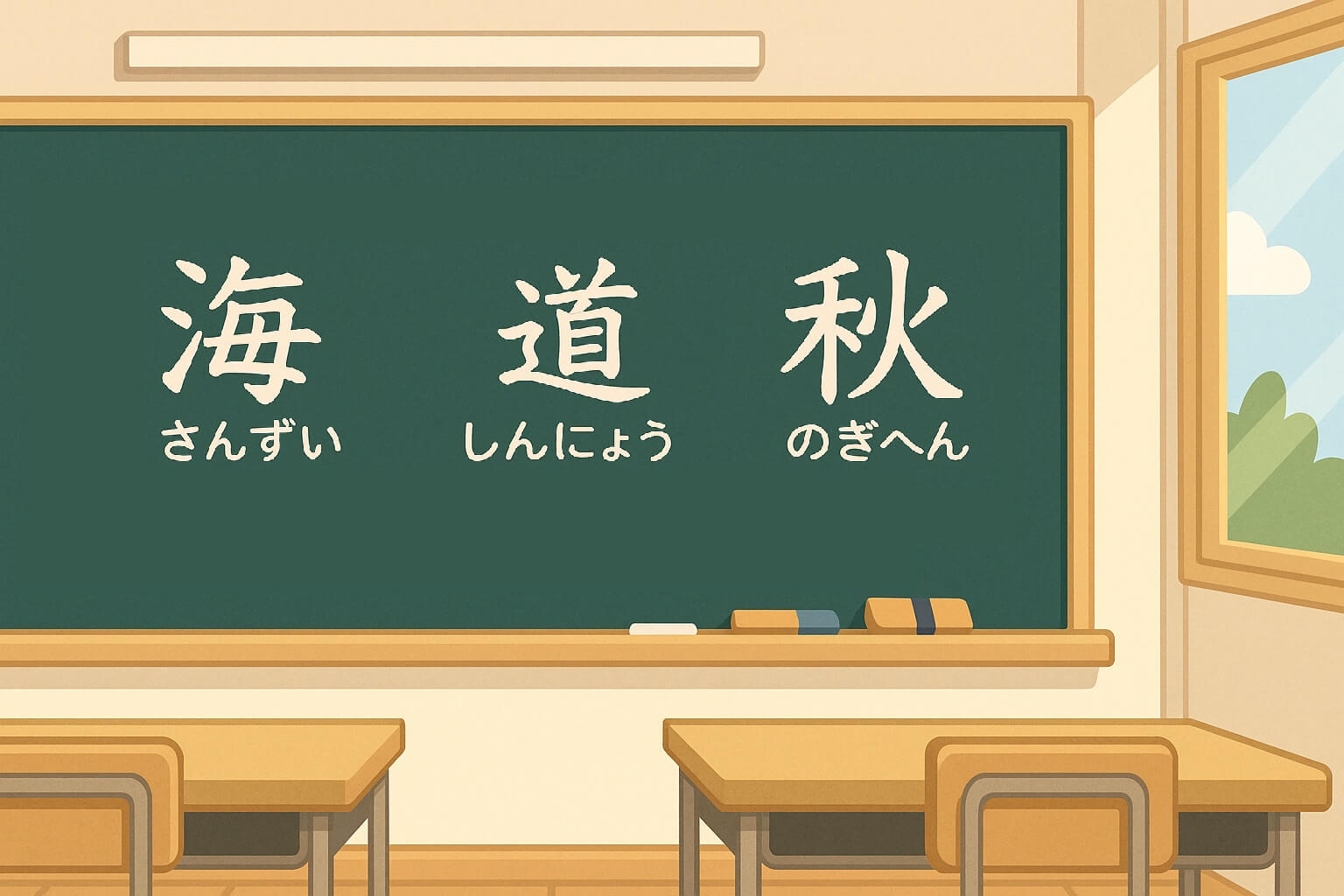
Kanji can feel intimidating. With thousands of characters to master, students often wonder: Is there an easier way to navigate this massive learning curve? The answer is yes, and the secret lies in mastering kanji radicals.
What Are Radicals Anyway?
Kanji radicals are the fundamental building blocks of Japanese characters. Think of radicals as root components or “elements” found in various kanji, which provide hints about meaning and sometimes pronunciation. For example, the radical 氵 (water) appears in kanji like 海 (うみ, ocean), 池 (いけ, pond), and 泳ぐ (およぐ, swim).
Why Radicals Matter
Knowing radicals changes how you learn and understand kanji. They offer three key advantages:
- Hints at Meaning: Radicals give you clues about a kanji’s meaning, helping you guess or remember them more easily.
- Easier to Memorize: Learning a smaller set of radicals is far simpler than memorizing each character individually.
- Easier Dictionary Lookup: Kanji dictionaries are typically organized by radicals, making radical knowledge crucial for looking up unfamiliar characters quickly.
Essential Radicals to Learn First
Here is a short list of essential kanji radicals to learn first, with examples of kanji containing each radical and their readings:
- 人 (person): 体(からだ, body)
- 口 (mouth): 味(あじ, taste)
- 日 (sun/day): 明るい(あかるい, bright)
- 月 (moon/month): 肩(かた, shoulder)
- 木 (tree): 林(はやし, woods)
- 氵 (water): 海(うみ, ocean)
- 火 (fire): 焼く(やく, to burn/grill)
- 土 (earth): 地(ち, ground)
- 手 (hand): 持つ(もつ, to hold)
- 心 (heart): 思う(おもう, to think)
- 言 (speech): 語る(かたる, to tell)
- 山 (mountain): 岩(いわ, rock)
- 女 (woman): 姉(あね, older sister)
- 子 (child): 学ぶ(まなぶ, to learn)
- 目 (eye): 見る(みる, to see)
Successful Strategies for Mastering Kanji Radicals
Here are tips to help you master radicals effectively:
- Learn the Most Frequent Radicals First: About 50 radicals appear in the majority of common kanji. Prioritize mastering these.
- Study by Themes: Group radicals into themes—such as elements (water 氵, fire 火), body parts (hand 手, eye 目), and nature (tree 木, mountain 山).
- Use Visual Aids: Flashcards and pictorial mnemonics make memorization enjoyable and efficient.
- Contextual Learning: Practice radicals within complete kanji examples, reinforcing both meaning and pronunciation simultaneously.
Beyond Radicals: Your Path to Fluency
Learning radicals doesn’t just make kanji appear less intimidating; it provides a solid foundation for reading, writing, and understanding Japanese more deeply. Radicals aren’t just small parts; they’re the foundation supporting your entire Japanese language ability.
So, if you’re serious about mastering Japanese, start by embracing radicals. You’ll find kanji easier to read, and your journey to fluency will be simpler and more enjoyable.