Desu in Japanese: Meaning, Usage, and Common Mistakes
- Japanese
- 2 min read
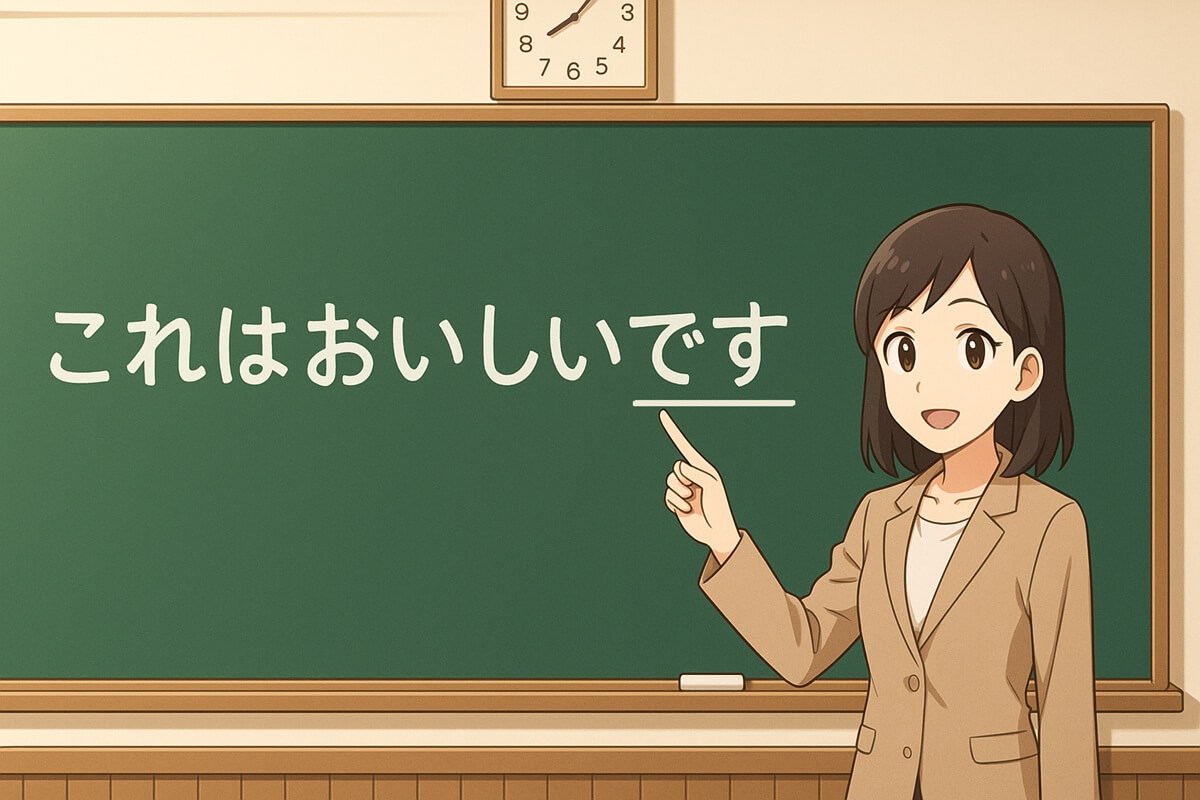
If you’ve watched even a single episode of anime in Japanese, you’ve probably heard the word desu (です) tossed around constantly. It’s short, polite, and pops up at the end of countless sentences. But what does it actually mean?
Let’s break it down simply — and more importantly, learn how to use it without sounding awkward.
What Desu Actually Means
In short: desu is a copula — a word that links the subject of a sentence to a description or identity.
In English, the copula is the verb “to be”:
- I am a student.
- He is tired.
- This is delicious.
Desu fills that role in Japanese, but it’s more limited. You’ll find it at the end of polite sentences, especially when stating facts or giving simple descriptions.
Examples of Desu in Action
Notice how desu always comes at the end? It makes the sentence polite, but it doesn’t change the actual meaning.
So, Is Desu Always Necessary?
Not always. In Japanese, the copula is often dropped in casual conversation. For example:
You’ll hear desu frequently in formal or polite speech — on television, in business settings, or when speaking respectfully. Among friends, though, it’s common to leave it out.
How NOT to Use Desu
- Using it after every sentence: Dropping “kawaii desu!” after everything isn’t cute — it just sounds odd without proper context.
- Using it after verbs: Desu isn’t used with verbs. Don’t say tabemasu desu (“I eat desu”). It doesn’t work.
- Translating it literally into English: There isn’t a perfect English equivalent of desu. Trying to translate it word-for-word only leads to confusion.
Final Thoughts
Desu might seem small, but it’s powerful. Think of it as polite punctuation — a way to make your Japanese sound respectful, tidy, and correct.
The key is knowing when to use it, when to skip it, and not overthinking it. Once you’re comfortable with Japanese sentence structure, using desu will feel completely natural.