Chinese or Japanese? Find Out Which Language Suits You!
- Japanese
- · Updated
- 3 min read
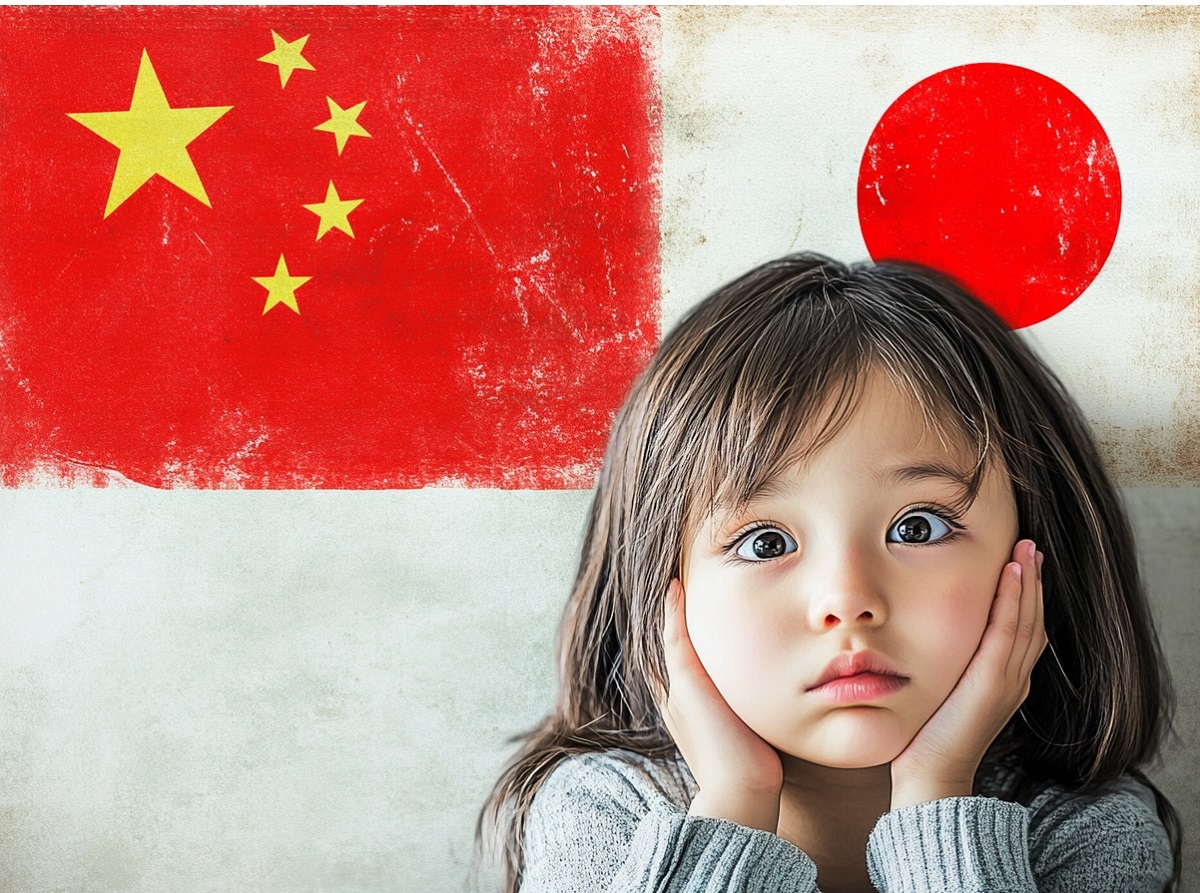
Learning a new language is a rewarding journey, but choosing which one to learn can be daunting. Chinese and Japanese are popular choices, each offering rich cultures and unique benefits. So, which one should you choose? Let’s break it down to help you decide.
1. Why Learn Chinese?
Chinese, more specifically Mandarin, is the most spoken language in the world. Here’s why it might be the right choice for you:
Global Impact
- Mandarin is spoken by over 1.4 billion people, primarily in China, Taiwan, and Singapore.
- With China rising as a global superpower, knowing Mandarin offers immense opportunities in international business, trade, and diplomacy.
Career Avenues
- China’s fast-growing economy creates opportunities in technology, manufacturing, education, and tourism sectors.
- Companies with ties to China often need employees who can bridge communication gaps.
Cultural Richness
- Learning Mandarin opens doors to ancient Chinese literature, philosophy, and art.
- Studying Chinese characters (汉字, Hanzi) reveals the beautiful simplicity and symbolism of Chinese calligraphy.
Language Structure
Although Mandarin’s tones and characters can be challenging, its grammar is relatively straightforward because:
- There are no verb conjugations or tenses.
- Nouns are not gendered.
- Pluralization rules are simple.
2. Why Learn Japanese?
Japanese is a highly rewarding language, especially for those drawn to Japan’s unique culture and economy.
Cultural Appeal
- Japanese pop culture, including anime, manga, video games, and J-pop, has captivated millions worldwide.
- Knowing Japanese allows you to enjoy this media in its original form, without relying on translations.
Travel and Lifestyle
- Japan is renowned for its advanced technology, safety, and rich traditions. Speaking Japanese enhances your travel experience, enabling deeper interactions with locals and uncovering hidden treasures.
- Learning the language also provides insight into Japanese hospitality and etiquette.
Career Benefits
- Japan is a leader in industries such as automotive, electronics, and robotics.
- Japanese skills are valuable in multinational companies with Japanese connections.
Language Structure
Japanese has three writing systems—Hiragana, Katakana, and Kanji—which may seem overwhelming but follow a consistent structure once mastered.