Belgian Beer Culture: A Living Heritage
- German
- 2 min read
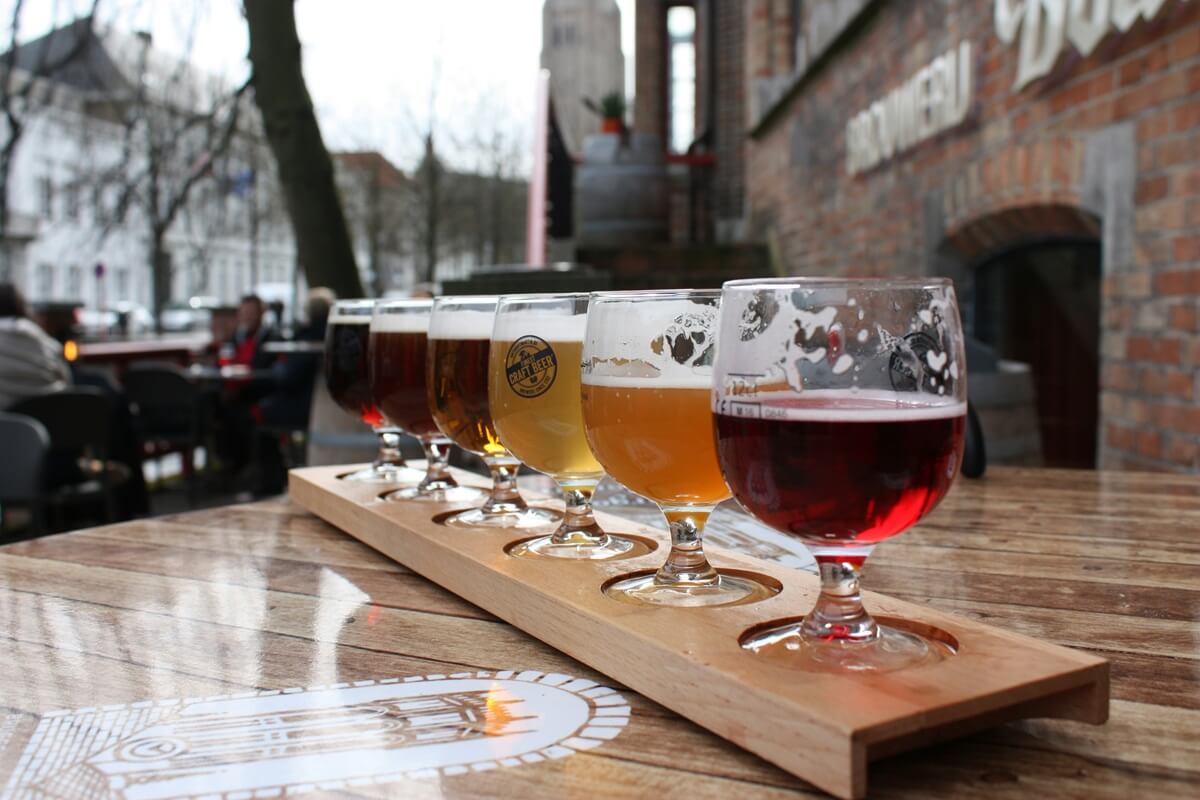
Belgium isn’t just a country; it’s a beer lover’s paradise. With about 1,500 beers and centuries-old brewing traditions, Belgian beer culture is more than a fad—or even a hobby. It’s a way of life.
More Than Just Beer
Beer in Belgium is treated with the deference most countries reserve for wine. There’s a specific glass for each beer—not because it looks cool (though it often does), but because the glass is designed to liberate aroma, preserve foam, and enhance drinkability. You don’t just drink a Belgian beer. You sip it.
The Monks Who Brew
Belgian beer culture is inextricably linked to Trappist monasteries. These aren’t tourist traps with a gift shop and a beer fridge. Trappist beers are made by monks, inside monastery walls, under strict regulations. Only a handful of breweries in the world can use the “Authentic Trappist” label, and several are in Belgium—think Chimay, Orval, Westvleteren. These are big, complex beers made with care—and the profits stay within the monastery and go to charity.
Wild, Funky, and Fermented
Belgium is home to some of the world’s most distinctive styles. Lambic and gueuze are fermented with wild yeasts that occur naturally in the air around Pajottenland, near Brussels. The result? Sour, funky, mercurial beers that challenge what beer can be.
And there are witbiers (spiced with orange peel and coriander), saisons (once brewed for farmhands), dubbels, tripels, and quadrupels—each more intoxicating and richer than the last. These aren’t just styles; they’re chapters in a centuries-old book about brewing.
Beer Is Embedded in Belgian Life
Beer is often enjoyed leisurely, with a strong culture of savoring and pairing, though—as in many countries—survey data show heavy drinking does occur. You’ll find beer in neighborhood cafés and high-end restaurants alike: beer-pairing menus, trained beer sommeliers, and thoughtful service. Beer also features in many local celebrations and festivals.
Even UNESCO got on board: in 2016, Belgian beer culture was officially recognized as part of the “Intangible Cultural Heritage of Humanity.” That’s not bragging—it’s recognition of the craftsmanship, diversity, and community value of Belgian brewing.
The Bottom Line
Belgian beer is more than a matter of taste—it’s an expression of tradition, identity, and pride. Whether you crack open a bottle of Westmalle Tripel or track down a rare saison from a microbrewery in Wallonia, you’re experiencing a culture that’s been fermenting for centuries.
So the next time you pick up a glass of Belgian beer, remember: you’re doing more than drinking. You’re engaging with a living, breathing legacy.
Santé.