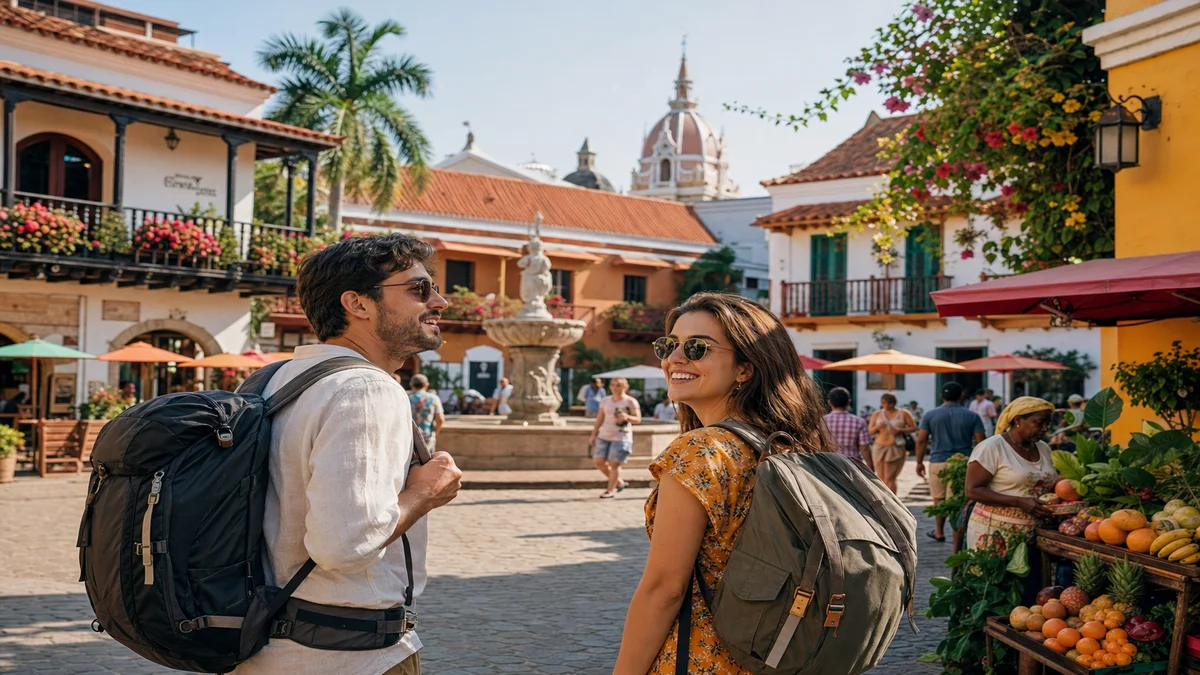
Picture yourself stepping off a plane in Madrid, walking through the cobblestone streets of Mexico City, or exploring the colorful markets of Lima. The excitement is palpable, but there’s just one small challenge: you don’t speak Spanish fluently. Here’s the good news – you don’t need to be fluent to have an amazing travel experience!
With just a handful of essential phrases, you can navigate Spanish-speaking countries with confidence, connect with locals, and turn potential language barriers into opportunities for cultural exchange. Whether you’re planning your first trip to Spain or your tenth adventure through Latin America, these 50 phrases will be your linguistic lifeline.
Mastering Spanish Greetings and First Impressions
In Spanish-speaking cultures, greetings are more than just words – they’re a gateway to connection. When you meet someone for the first time, don’t be surprised by the warmth of the greeting. Women often exchange air kisses on the cheek (the number varies by country), while men typically shake hands, though close friends may also exchange cheek kisses.
Start every interaction with a proper greeting. These work any time of day:
- Hola – Hello
- Buenos días – Good morning
- Buenas tardes – Good afternoon
- Buenas noches – Good evening/night
Spanish has two levels of formality that can make or break your first impression. Use usted with strangers, older people, and anyone in authority to show respect. Tú is for friends and people your age. When in doubt, go formal – it’s always better to err on the side of politeness!
For strangers: ¿Cómo está usted? (How are you?)
For friends or peers: ¿Cómo estás? or ¿Qué tal? (How are you? / What’s up?)
Useful responses include:
- Estoy bien – I am well
- Estoy normal – I am fine
- Estoy mal – I am not well
Always end conversations gracefully:
- Adiós – Goodbye
- Hasta luego – Until later
- Hasta mañana – Until tomorrow
- Hasta pronto – See you soon
- Chao – Bye
Getting Help When You’re Lost or Confused
Even with GPS and maps, getting around in a foreign country can be challenging. Spanish-speaking countries offer various transportation options, from Spain’s excellent train system connecting major cities to the extensive bus networks throughout Latin America.
Public Transportation Phrases:
- ¿Cuál es la próxima parada? – What is the next stop?
- ¿A qué hora sale el tren? – What time does the train leave?
- ¿En qué parada puedo hacer transbordo a la línea 2? – What stop can I transfer to line 2?
- Quiero un taxi a… – I want a taxi to…
Transportation Vocabulary:
- El autobús – Bus
- El metro – Metro/subway
- El tren – Train
- El boleto – Ticket
When technology fails and you need human help, these direction phrases are invaluable:
- ¿Cuánto tarda en llegar a…? – How long does it take to get to…?
- ¿Cómo puedo llegar aquí? – How can I get here?
- ¿Dónde está…? – Where is…?
Key locations:
- El aeropuerto – Airport
- La estación – Station
- La dirección – Address
Shopping Like a Local
Shopping in Spanish-speaking countries offers everything from bustling open-air markets filled with artisanal crafts to modern malls with fixed prices. In traditional markets, particularly in countries like Ecuador or Peru, bargaining is often expected and cash is preferred. Learning numbers is crucial for successful negotiations!
Essential Shopping Phrases:
- ¿Cuánto cuesta? – How much does it cost?
- Quiero comprar… – I want to buy…
- ¿Se puede pagar con tarjeta de crédito? – Can I pay with credit card?
Sizing and Fitting:
- ¿Hay otro tamaño? – Is there another size?
- Pequeño/mediano/grande – Small/medium/large
- ¿Hay otro color? – Is there another color?
- ¿Me queda bien? – Does it fit me well?
- ¿Me puedo probar esto? – Can I try this on?
Bargaining Phrases:
- Muy caro – Very expensive
- Solo tengo cinco dólares – I only have five dollars
- ¿Hay otro más barato? – Is there a cheaper one?
- Hay problemas de calidad – There are quality issues
Dining Out with Confidence
Food culture in Spanish-speaking countries revolves around community and leisure. In Spain and many Latin American countries, lunch is the main meal, often served later than you might expect. Workers frequently go home for a long lunch break, sometimes including the traditional siesta rest period. Dinner is typically served late and tends to be lighter.
Restaurant Essentials:
- Una mesa para dos – Table for two
- El menú – Menu
- El camarero/la camarera – Waiter/waitress
- Quiero… – I want…
- La cuenta, por favor – Check, please
Common Foods and Drinks:
- El pollo – Chicken
- La ensalada – Salad
- La cerveza – Beer
- El vino – Wine
Hotel and Accommodation Basics
After a long day of exploring or a tiring flight, the last thing you want is communication problems at your hotel. These phrases will help ensure a smooth check-in process and comfortable stay:
- Tengo una reservación – I have a reservation
- ¿Hay habitaciones disponibles? – Are there rooms available?
- ¿Cuánto cuesta por noche? – How much per night?
- ¿Incluye el desayuno? – Does it include breakfast?
- ¿A qué hora es el check-out? – What time is check-out?
- ¿Hay wifi gratuito? – Is there free wifi?
- La habitación está sucia – The room is dirty
- No funciona el aire acondicionado – The air conditioning doesn’t work
Putting It All Together
Learning these 55 phrases is just the beginning of your Spanish adventure. The beauty of travel lies not just in seeing new places, but in the connections you make and the confidence you gain from communicating across language barriers.
Remember that Spanish speakers are generally patient and appreciative when visitors make an effort to speak their language. Don’t worry about perfect pronunciation or grammar – your attempts to communicate will be met with smiles and encouragement.
Start practicing these phrases before your trip, focus on the situations you’re most likely to encounter, and don’t be afraid to make mistakes. Each conversation is an opportunity to learn, and every phrase you master opens the door to deeper cultural experiences.
¡Buen viaje! (Have a good trip!) Your Spanish-speaking adventure awaits, and now you’re equipped with the essential phrases to make it unforgettable.