

Winter in Russia is long and brutally cold. Catching a cold or the flu is almost inevitable. Many people get sick at least once a year—sometimes even twice. Instead of immediately reaching for medicine, many Russians turn to traditional remedies that have been passed down for generations.
These remedies may seem a bit extreme, but they offer a fascinating glimpse into Russian culture, values, and everyday language.
Garlic and Onions: Strong Smell, Strong Faith
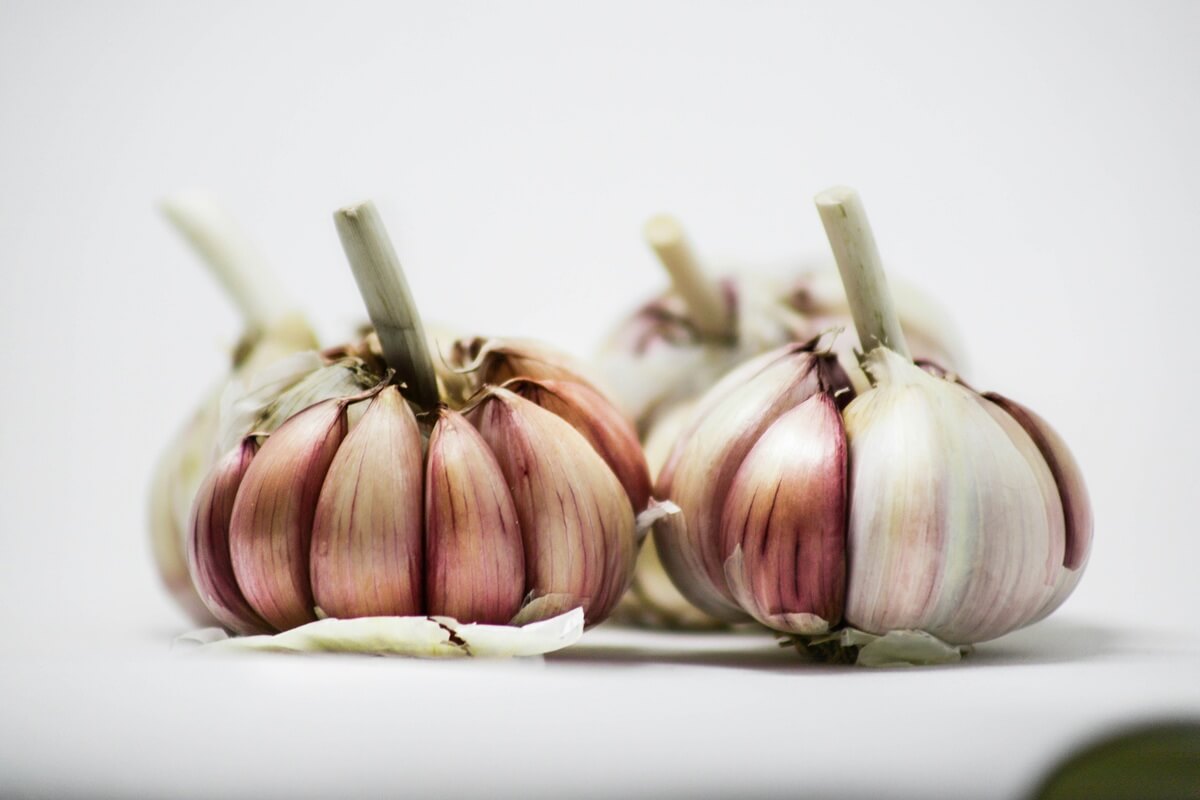
Garlic is probably the most popular cold remedy in Russia. It’s eaten raw—chopped up or swallowed in large chunks and washed down with a glass of water. Onions are used in much the same way.
There’s a phrase you’ll often hear in Russia:
Чеснок – лучшее лекарство.
No one pretends garlic tastes good. The idea is simple: if it burns, it must be working. Endurance matters more than comfort. What you need is toughness, not something pleasant.
Hot Tea Is a Must
If you have a cold or the flu, someone will make you tea. It’s not a request—it’s a requirement.
The tea is black and hot, and it’s often served with lemon, honey, or варенье (jam).
Vocabulary to know
- Горячий чай
- hot tea
- С мёдом
- with honey
- С лимоном
- with lemon
Tea isn’t just a drink; it’s a necessity. Staying warm is essential, and warmth equals safety in Russian culture.
Steam Inhalation at Home
One of the more traditional remedies involves sitting over a pot of boiling potatoes with a towel over your head.
It’s uncomfortable and sweaty—but that’s the whole point.
People may say to you:
Надо пропариться.
The goal is to “sweat out” the illness, which is a very common belief behind many traditional remedies.
Vodka: Mostly Not for Drinking
Contrary to what movies suggest, vodka is usually used on the body—not drunk—when you’re sick.
Some common remedies include:
- Rubbing the body to reduce fever
- Using vodka as a compress on the chest or throat
The idea is to растереть водкой, meaning “to rub with vodka.” Drinking it, however, is more of a joke than a real treatment.
Stay Inside and Avoid Drafts
One important rule is to stay inside and avoid cold air when you’re sick.
You may be told:
Тебе нельзя на улицу.
Сквозняк опасен.
What These Remedies Reveal About Russian Culture
These traditions reflect several deeply rooted values:
- Endurance matters more than comfort
- Warmth means safety
- Actions matter more than words
If someone tells you to drink tea, stay in bed, or eat garlic, it’s their way of taking care of you.
And if you’re offered a cup of hot tea with jam, accept it. That’s the Russian way of showing they care.