Iceland’s official language is Icelandic. While traveling, why not take the opportunity to get a small taste of the local language as well? In this guide, we’ll explore Iceland’s Ring Road (Route 1) while introducing key place names alongside their Icelandic names, helping you connect more deeply with the places you visit.
There are road trips—and then there’s Iceland’s Ring Road.
Also known as Route 1 (Þjóðvegur 1) and called Hringvegur (or Hringvegurinn) in Icelandic, this famous highway loops around the country and takes you past waterfalls, glaciers, volcanoes, fishing villages, black-sand beaches, and wide-open landscapes so stunning you’ll pull over just to stare.
If you’re thinking about doing one big Iceland driving adventure, this is it.
What Is the Ring Road?
A ring road is a road that circles a city, region, or (in Iceland’s case) much of the country.
Iceland’s Ring Road is the nation’s main highway: Route 1 (Þjóðvegur 1). It connects the capital, Reykjavík, with many towns and regions around Iceland’s coast, making it the backbone of most self-drive itineraries.
Much of Route 1 is paved and well-maintained, and in summer it’s typically doable in a standard car. In winter, road conditions can change fast, and some travelers prefer a 4×4 vehicle for extra confidence—especially if you plan detours onto rougher side roads.
How Long Does It Take to Drive Iceland’s Ring Road?
Yes, you can technically drive the full loop in one very long day—but you’d miss the point. The magic of the Ring Road is getting out constantly: short hikes, slow viewpoints, spontaneous stops, and long moments where you do absolutely nothing except watch Iceland be Iceland.
Most people take 7–10 days to enjoy it without feeling rushed.
- 7 days: Fast-paced highlights (lots of driving, fewer long stops)
- 10 days: Comfortable pace (more time for hikes and detours)
- 14 days: Slow and immersive (extra side trips and fewer “drive-all-day” stretches)
Highlights You’ll See Along the Way
One of the best things about the Ring Road is how often the scenery changes. Below are some of the most memorable regions and stops, with Icelandic names included where helpful.
The South Coast
This is where many first-time visitors fall in love with Iceland.
-
Seljalandsfoss
A waterfall you can walk behind, with a curtain of water and views out across open fields. -
Skógafoss
Powerful, loud, and misty. On sunny days, you’ll often see rainbows in the spray. -
Reynisfjara Black Sand Beach (Reynisfjara)
Black sand, basalt columns, and roaring Atlantic waves. It’s beautiful—and the ocean here demands serious respect. -
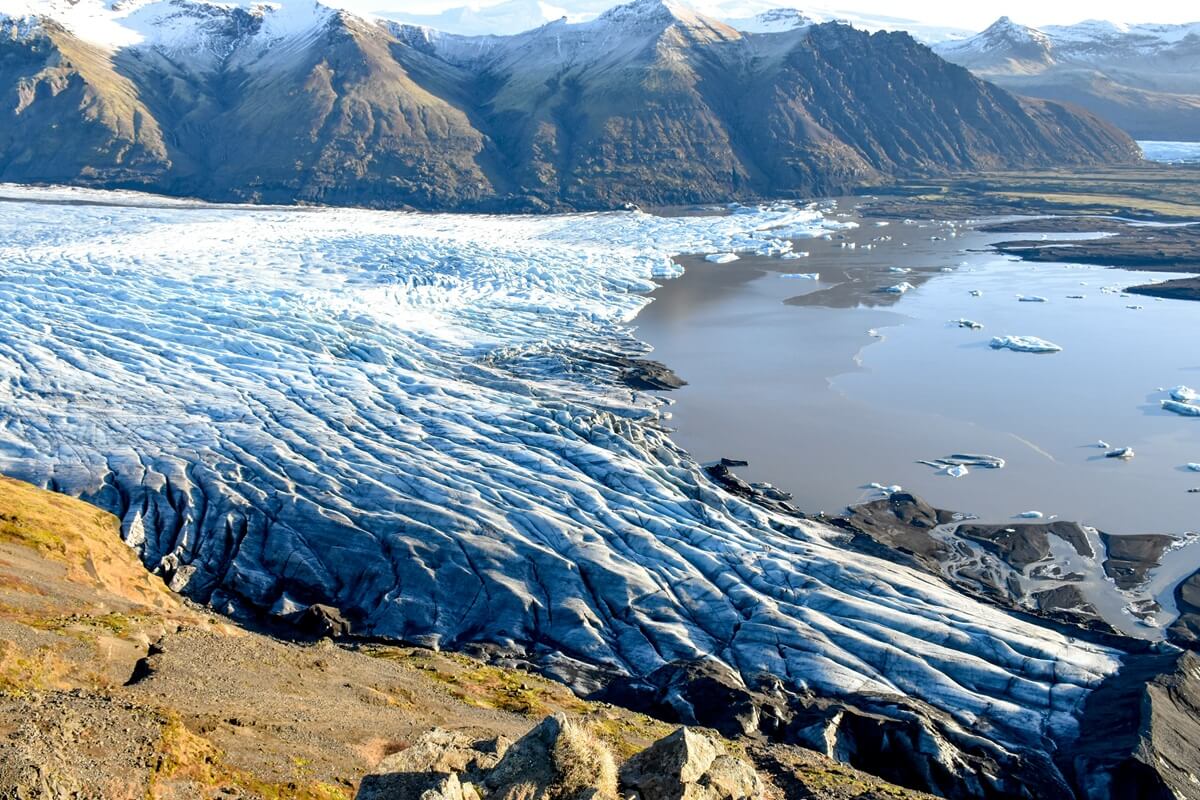
Vatnajökull
Europe’s largest glacier, so vast it’s hard to understand until you see it in person.
The East Fjords (Austfirðir)
Quieter roads, slower travel, and small coastal towns where the silence feels like part of the landscape.
Expect fjords, viewpoints, and plenty of “wait—stop the car” moments when the light hits the water just right. If you want a more rugged, expedition-like feel on your Ring Road trip, the East often delivers it.
North Iceland
-
Lake Mývatn (Mývatn)
A whole region of lava formations, geothermal areas, and strange, beautiful scenery—like the land is still alive. -
Dettifoss
One of Europe’s most powerful waterfalls, thundering into a canyon with raw force. -
Akureyri
Often called “the capital of the north,” with cafés, restaurants, and a relaxing break after long driving stretches.
West Iceland (Vesturland) and a Famous Detour
-
West Iceland (Vesturland)
A region with a bit of everything—and a great final stretch before returning to the city. -
Snæfellsnes Peninsula (Snæfellsnes)
Often called “Iceland in miniature” because it packs so many different landscapes into one peninsula.
When Is the Best Time to Drive the Ring Road?
It depends on your comfort level and what you want from the trip—long days and easy roads, or dramatic winter landscapes and a chance at the Northern Lights.
Summer (sumar) | June–August
- Easiest driving conditions
- Longest daylight
- Busiest season (book early)
Shoulder Season | May and September
- Smaller crowds
- Often decent road conditions
- Northern Lights possible in September on clear nights
Winter (vetur) | October–April
Extremely beautiful—but unpredictable. Snow, ice, wind, and sudden weather changes can completely reshape your plan. Flexibility and safety planning matter even more.
What It’s Like to Actually Drive Route 1
Driving in Iceland is unforgettable. The wind can be strong. The weather can change quickly. And the scenery is so dramatic it can tempt you to look away from the road (don’t).
You’ll cross single-lane bridges, wide-open stretches with no traffic, and long roads where it feels like it’s just you, the horizon, and the earth. In some areas, services are far apart—so fuel planning matters.
Tip: Petrol stations can be spaced out, so topping up whenever you can is a smart habit.
Tips for a Better Ring Road Trip
- Plan a route—but leave room for changes. Weather has the final word in Iceland.
- Don’t overpack your days. You’ll stop more than you expect.
- Book early for summer. Small-town accommodation fills fast.
- Stay safe for photos. Never stand on the road or cross barriers.
Check conditions daily:
- Roads: road.is (Vegagerðin)
- Weather: vedur.is (Veðurstofa Íslands)
Is the Ring Road Worth It?
Yes—one hundred percent.
Driving the Ring Road (Hringvegur) isn’t just about checking destinations off a list. It’s the rhythm of the drive, the surprise stops, and the feeling that Iceland keeps reinventing itself around every bend.
If you love road trips and wild landscapes, Route 1 is one of the best driving adventures you can do anywhere in the world.