

Learning Japanese is not only about grammar and vocabulary—it’s also about understanding culture. One great way to do this is by learning about Japanese holidays and seasonal traditions.
Japan places strong cultural importance on the seasons. Many words, foods, festivals, and customs are closely tied to specific times of the year. Spring, in particular, is a culturally rich season filled with celebrations, family traditions, and national holidays.
Learning about Japanese spring holidays can help you:
- Expand your vocabulary with seasonal words
- Understand references in conversations, news, and media
- Learn kanji with meaningful cultural context
- Explore traditions that influence everyday life in Japan
Spring is also when Golden Week occurs—one of the busiest travel periods in Japan. Understanding these holidays will help you better follow Japanese news, conversations, and cultural references.
In This Guide
In this guide, we’ll explore several major spring holidays celebrated in Japan that are especially helpful for Japanese learners to know.
Quick Overview
Here’s a quick overview of important spring holidays and seasonal events.
| Holiday (English) | Japanese | Date | Description |
|---|---|---|---|
| Vernal Equinox Day | 春分の日(しゅんぶんのひ) | March 20 or 21 (varies by year) | Celebrating nature and honoring ancestors |
| Showa Day | 昭和の日(しょうわのひ) | April 29 | Reflecting on the Showa era |
| Constitution Memorial Day | 憲法記念日(けんぽうきねんび) | May 3 | Celebrating Japan’s constitution |
| Greenery Day | みどりの日(みどりのひ) | May 4 | Appreciating nature and the environment |
| Children’s Day | こどもの日(こどものひ) | May 5 | Celebrating children’s happiness and growth |
| Golden Week | ゴールデンウィーク | Late April–Early May | Cluster of national holidays |
| Hinamatsuri (Girls’ Day) | ひな祭り(ひなまつり) | March 3 | Celebration of girls and family (traditional festival, not a national holiday) |
| White Day | ホワイトデー | March 14 | Gift-giving day following Valentine’s Day (not a national holiday) |
| Cherry Blossom Viewing | 花見(はなみ) | Late March–Early April | Traditional cherry blossom viewing |
| Entrance Ceremony Season | 入学式(にゅうがくしき) | Early April | Beginning of the school year |
Some of these are national holidays, while others are culturally important seasonal traditions.
Major Japanese Spring Holidays
Vernal Equinox Day
Japanese Name: 春分の日
Reading: しゅんぶんのひ (Shunbun no hi)
Kanji meanings:
春 spring / 分 divide / 日 day
Meaning
“The day that divides spring,” when daytime and nighttime are roughly equal in length.
Cultural Background
This is a seasonal and spiritual holiday. Families often visit ancestral graves, clean family altars, and offer flowers or incense. The day is connected to 彼岸(お彼岸), the Buddhist week dedicated to honoring ancestors. Appreciation of nature is also an important theme.
Useful Vocabulary
- お墓参り(おはかまいり) – visiting graves
- 先祖(せんぞ) – ancestors
- お彼岸(おひがん) – Buddhist equinox week
- 花(はな) – flowers
Example
春分の日に家族でお墓参りをします。
Shunbun no hi ni kazoku de ohaka mairi o shimasu.
Translation: We visit our family graves together on Vernal Equinox Day.
Showa Day
Japanese Name: 昭和の日
Reading: しょうわのひ
Kanji meanings:
昭 shining / 和 harmony / 日 day
Meaning
A holiday for reflecting on the Showa era (1926–1989) during Emperor Hirohito’s reign.
Cultural Background
This day encourages reflection on Japan’s modern history, including the events of World War II and the country’s postwar development. It also marks the beginning of Golden Week, a sequence of national holidays in late April and early May.
Useful Vocabulary
- 昭和時代(しょうわじだい) – Showa era
- 歴史(れきし) – history
- 天皇(てんのう) – emperor
- 祝日(しゅくじつ) – national holiday
Example
昭和の日は日本の歴史を考える日です。
Shōwa no hi wa Nihon no rekishi o kangaeru hi desu.
Translation: Showa Day is a day to think about Japan’s history.
Constitution Memorial Day
Japanese Name: 憲法記念日
Reading: けんぽうきねんび
Meaning
A celebration of Japan’s constitution, which came into effect in 1947.
Cultural Background
Japan’s constitution is well known for Article 9, which renounces war. Around this time, newspapers and media often discuss the constitution and political issues.
Useful Vocabulary
- 憲法(けんぽう) – constitution
- 法律(ほうりつ) – law
- 政治(せいじ) – politics
- 自由(じゆう) – freedom
Example
憲法記念日は5月3日です。
Kenpō kinenbi wa gogatsu mikka desu.
Translation: Constitution Memorial Day is May 3.
Greenery Day
Japanese Name: みどりの日
Reading: みどりのひ
Meaning
The word みどり refers to greenery or plant life.
Cultural Background
This holiday celebrates nature and the environment. Its origins are connected to Emperor Showa’s strong interest in plants and biology.
Useful Vocabulary
- 自然(しぜん) – nature
- 森(もり) – forest
- 公園(こうえん) – park
- 植物(しょくぶつ) – plants
Example
みどりの日に公園へ行きます。
Midori no hi ni kōen e ikimasu.
Translation: I go to the park on Greenery Day.
Children’s Day
Japanese Name: 子供の日
Reading: こどものひ
Kanji:
子 child / 供 plural marker / 日 day
Cultural Background
This holiday celebrates the happiness, health, and future of children.
Common traditions include:
- Flying carp streamers (鯉のぼり) outside homes
- Displaying samurai helmets (兜) inside homes
- Eating traditional sweets associated with the holiday
Traditional Foods
- 柏餅(かしわもち) – rice cakes wrapped in oak leaves
- ちまき – sticky rice dumplings
Useful Vocabulary
- 鯉のぼり(こいのぼり) – carp streamer
- 兜(かぶと) – samurai helmet
- 健康(けんこう) – health
- 成長(せいちょう) – growth
Example
こどもの日に鯉のぼりを飾ります。
Kodomo no hi ni koinobori o kazarimasu.
Translation: We display carp streamers on Children’s Day.
Golden Week
Japanese Name: ゴールデンウィーク
What It Is
Golden Week is a series of national holidays that occur from late April to early May, including:
- Showa Day
- Constitution Memorial Day
- Greenery Day
- Children’s Day
Cultural Impact
This is one of Japan’s busiest travel seasons. Many people travel domestically, visit family, attend festivals, or go sightseeing.
Useful Vocabulary
- 連休(れんきゅう) – consecutive holidays
- 旅行(りょこう) – travel
- 渋滞(じゅうたい) – traffic jam
- 観光(かんこう) – sightseeing
Example
ゴールデンウィークに旅行します。
Gōruden Wīku ni ryokō shimasu.
Translation: I travel during Golden Week.
Useful Vocabulary for Spring Holidays
Here are some common words you may hear during the spring season:
- 春(はる) – spring
- 祝日(しゅくじつ) – national holiday
- 桜(さくら) – cherry blossom
- 花見(はなみ) – cherry blossom viewing
- 新年度(しんねんど) – new school or fiscal year
- 祭り(まつり) – festival
- 旅行(りょこう) – travel
- 連休(れんきゅう) – consecutive holidays
Learning seasonal vocabulary helps you better understand conversations, news, and media in Japanese.
Cultural Notes: Spring Traditions in Japan
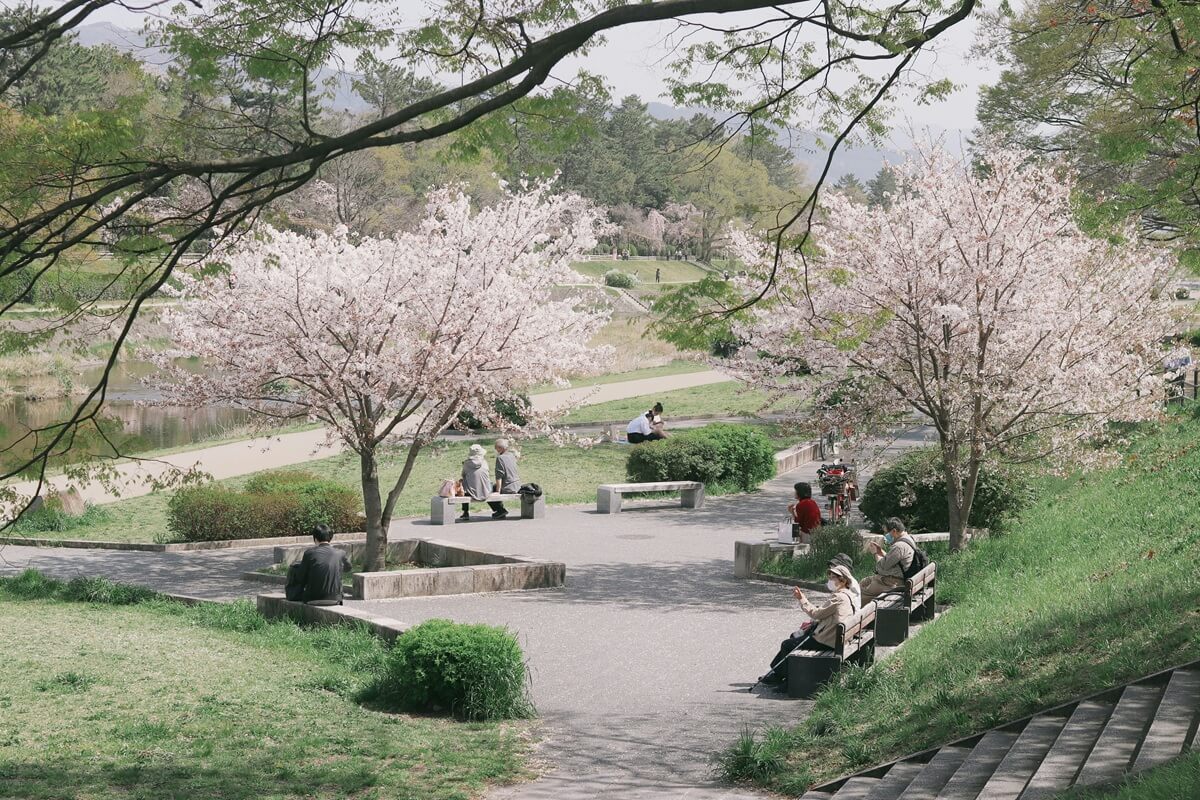
Cherry Blossom Viewing (花見)
People gather under blooming cherry blossom trees to enjoy food, drinks, and time with friends and family. This tradition has existed for over 1,000 years, dating back to the Heian period.
Seasonal Foods
Spring foods include sakura mochi, bamboo shoots, and fresh seasonal vegetables. Seasonal food reflects Japan’s strong appreciation for nature’s cycles.
School and Work Year Beginnings
Japan’s school year and fiscal year both begin in April, unlike in many other countries. This makes spring a season associated with new beginnings.
Common Mistakes Learners Make
- Golden Week is a series of holidays, not a single holiday.
- Children’s Day is on May 5, while Girls’ Day (Hinamatsuri) is on March 3.
- Kanji readings are often mispronounced. For example, 春分の日 should be read しゅんぶん, not “harubun.”
-
Japanese has two common words for “holiday.”
- 祝日(しゅくじつ) – national holiday
- 休日(きゅうじつ) – day off
FAQ
What holidays are celebrated in Japan during spring?
Some of the main spring holidays include Vernal Equinox Day, Showa Day, Constitution Memorial Day, Greenery Day, and Children’s Day. Several of these occur during Golden Week.
What does “Golden Week” mean?
Golden Week refers to a series of Japanese national holidays that occur close together in late April and early May, creating a popular time for travel.
Why is Children’s Day celebrated in Japan?
Children’s Day celebrates the health, happiness, and growth of children.
What is the Japanese word for “holiday”?
Japanese has two commonly used words:
- 祝日(しゅくじつ) – national holiday
- 休日(きゅうじつ) – day off
Conclusion
Studying Japanese spring holidays isn’t just about learning new vocabulary—it’s also about understanding Japanese culture and traditions.
From Vernal Equinox Day to the holiday period known as Golden Week, these celebrations reflect Japan’s deep connection to nature, family traditions, and seasonal change.
The next time you see words like 春分の日, こどもの日, or ゴールデンウィーク, you’ll understand not only their meaning but also the cultural context behind them—and that’s one of the most powerful ways to learn a language.