

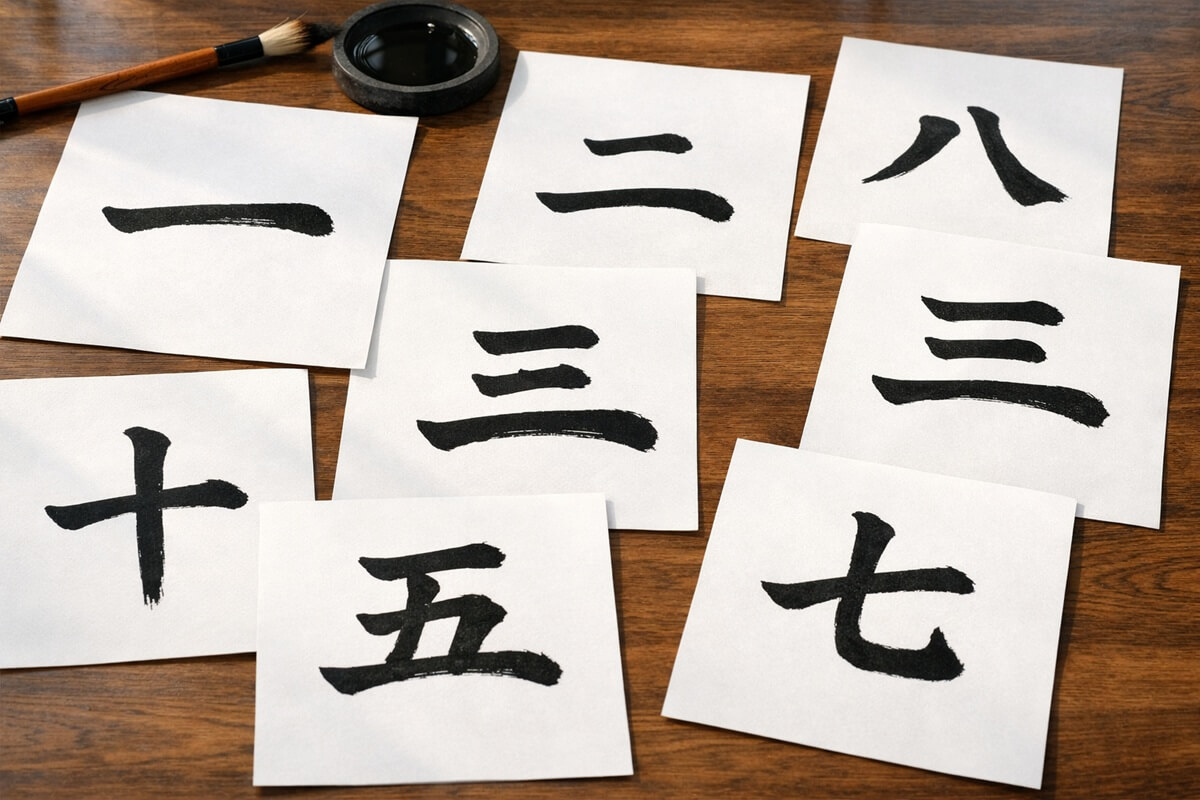
Mastering Chinese numbers is one of the quickest wins for anyone starting Mandarin. The system is logical and consistent: once you learn 0–10, you can build almost everything else by combining a few simple patterns.
In this guide, you’ll learn how to count from 0 to 100+, how to say the most common number patterns out loud, and the biggest mistakes learners make—so you can use numbers confidently in real life (prices, dates, phone numbers, addresses, and time).
Why Chinese Numbers Are Easier Than You Think
Chinese numbers are regular and predictable. Unlike English (which has unique words like eleven and twelve), Chinese forms numbers by combining basic building blocks.
Once you can count to ten, you’re already most of the way there.
Chinese Numbers 0–10
These are the core numbers you should memorize first. Everything else is built from them.
| Number | Character | Pinyin | Notes |
|---|---|---|---|
| 0 | 零 | líng | “zero” |
| 1 | 一 | yī | “one” |
| 2 | 二 | èr | used in counting/math |
| 3 | 三 | sān | “three” |
| 4 | 四 | sì | “four” |
| 5 | 五 | wǔ | “five” |
| 6 | 六 | liù | “six” |
| 7 | 七 | qī | “seven” |
| 8 | 八 | bā | “eight” |
| 9 | 九 | jiǔ | “nine” |
| 10 | 十 | shí | “ten” |
Pronunciation Tips (Quick and Practical)
- 四 (sì) and 十 (shí) can feel similar at first, especially in fast speech. Practice them side by side until you can hear and say the difference clearly.
- 五 (wǔ) is not “woo.” Keep it short and tight—closer to “oo” with a soft w start.
- 七 (qī) sounds like “chee,” but with a crisp q sound (like “ch” with the tongue slightly more forward).
Numbers 11–19 (The “Ten + Number” Pattern)
Chinese forms 11–19 in a very clean way:
Pattern:
10 + number → 十 + (1–9)
| Number | Character | Pinyin | Literal meaning |
|---|---|---|---|
| 11 | 十一 | shí yī | ten + one |
| 12 | 十二 | shí èr | ten + two |
| 15 | 十五 | shí wǔ | ten + five |
| 19 | 十九 | shí jiǔ | ten + nine |
There are no special words for “eleven” or “twelve.” You simply say “ten one” and “ten two.”
Numbers 20–99 (The “X Ten Y” Pattern)
Once you reach 20, the rest becomes very systematic.
Pattern:
(number) + ten + (number)
→ (2–9) + 十 + (0–9)
| Number | Character | Pinyin | Literal meaning |
|---|---|---|---|
| 20 | 二十 | èr shí | two ten |
| 21 | 二十一 | èr shí yī | two ten one |
| 34 | 三十四 | sān shí sì | three ten four |
| 58 | 五十八 | wǔ shí bā | five ten eight |
| 99 | 九十九 | jiǔ shí jiǔ | nine ten nine |
Notes
- Chinese doesn’t use hyphens for numbers.
- You don’t insert extra words between the parts—just combine the building blocks.
The Special Case of “2”: 二 (èr) vs 两 (liǎng)
Chinese has two common ways to say “two”:
- 二 (èr) is used in counting, math, and exact number names.
- 两 (liǎng) is commonly used before measure words (like “two people,” “two cups,” etc.).
Examples
- 二十 (20) uses 二
- 两个人 (two people) uses 两 + measure word 个
What about 22?
In everyday speech, you may hear both:
- 二十二 (èr shí èr)
- 两十二 (liǎng shí èr) (more regional / casual)
For learners, 二十二 is the safest, most standard form—especially in formal contexts.
Counting After 100 (100+)
Once you reach 100, Chinese is still consistent. The key new idea is using 零 (líng) to show a skipped place value.
100
- 100 = 一百 (yì bǎi)
Note: 一 (yī) often changes tone before 百 (bǎi) in natural speech, so you’ll commonly hear yì bǎi.
101
- 101 = 一百零一 (yì bǎi líng yī)
You need 零 because the “tens” place is missing.
105
- 105 = 一百零五 (yì bǎi líng wǔ)
Again, 零 shows the missing tens.
110
- 110 = 一百一十 (yì bǎi yī shí)
No 零 needed because the tens place is present.
150
- 150 = 一百五十 (yì bǎi wǔ shí)
No 零 needed.
Common Mistakes to Avoid
1) Adding “one” before ten
- ✅ 10 = 十 (shí)
- ❌ 一十 (yī shí) (not standard)
2) Forgetting 零 (líng) in numbers like 101 or 105
- ✅ 101 = 一百零一
- ✅ 105 = 一百零五
Without 零, the number can become unclear or sound like a different structure.
3) Mixing up 四 (sì) and 十 (shí)
In fast speech, these can be confusing for beginners—especially in prices or phone numbers. Practice minimal pairs and record yourself to check clarity.
How to Practice Chinese Numbers Effectively
Try short, daily practice that imitates real life:
- Count objects around you (books, cups, steps).
- Say prices when you shop (even quietly to yourself).
- Read phone numbers digit by digit.
- Practice both speaking and writing so the characters stick.
Five minutes a day is enough if you’re consistent.