

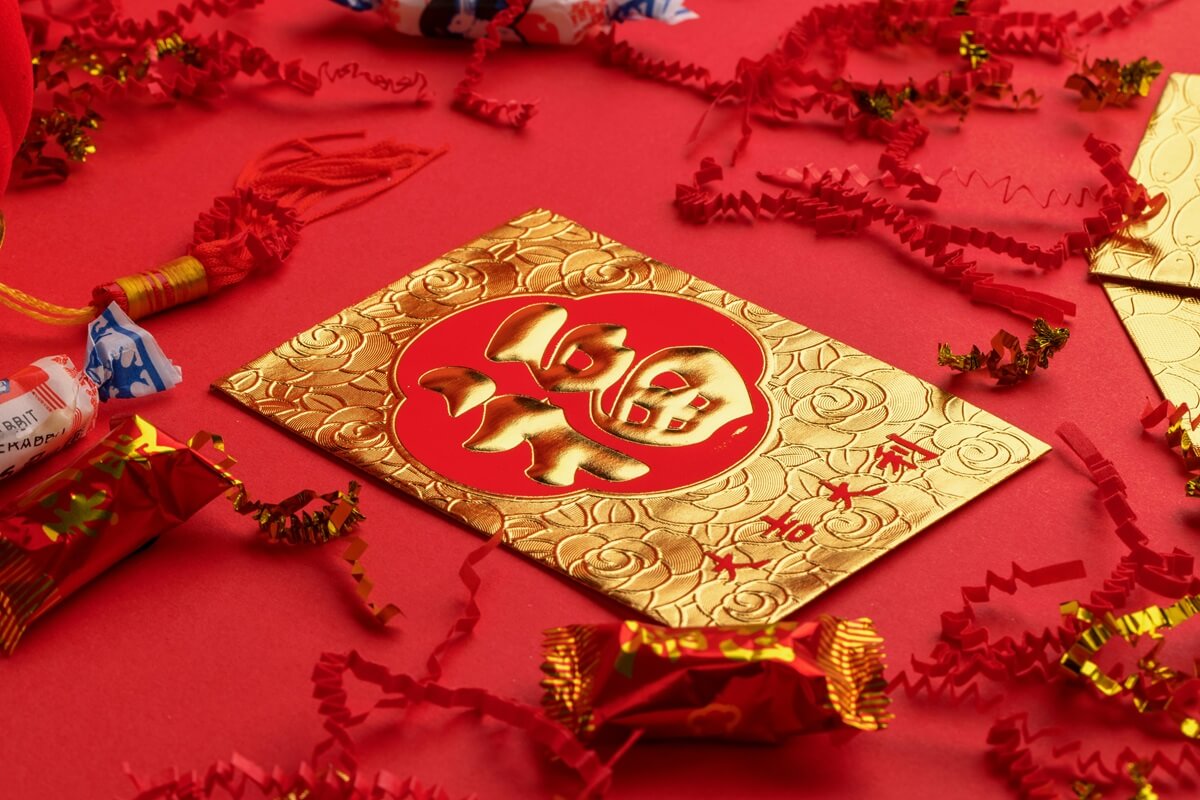
Chinese New Year (also called Lunar New Year or the Spring Festival, 春节 Chūnjié) is all about fresh starts, family reunions, and wishing each other luck, health, and success.
In 2026, Chinese New Year falls on Tuesday, February 17, marking the start of the Year of the Horse (often described as the Fire Horse year).
If you want to sound a little more thoughtful than simply saying “Happy New Year,” here are 10 widely used greetings—with Chinese characters, pinyin, meanings, and when to use them.
The 10 Greetings
1) 新年快乐 (Xīnnián kuàilè)
Meaning: “Happy New Year!”
This is the most common and flexible greeting. It works in almost any situation—spoken or written, casual or formal. If you memorize only one phrase, make it this one.
Use it with: anyone (friends, coworkers, family)
Traditional: 新年快樂
2) 恭喜发财 (Gōngxǐ fācái)
Meaning: “Wishing you wealth and prosperity.”
A classic greeting that focuses on success and prosperity. You’ll hear it a lot among adults, in workplaces, and during business greetings—especially when red envelopes (红包) are being exchanged.
Use it with: coworkers, business contacts, adults
Traditional: 恭喜發財
3) 万事如意 (Wànshì rúyì)
Meaning: “May everything go your way.”
A warm, general blessing that fits both friends and family. It’s like wishing someone a smooth, trouble-free year.
Use it with: family, friends, colleagues
Traditional: 萬事如意
4) 身体健康 (Shēntǐ jiànkāng)
Meaning: “Wishing you good health.”
Health-themed greetings are especially appreciated by parents, grandparents, and seniors. It’s simple, sincere, and always appropriate.
Use it with: family (especially older relatives)
Traditional: 身體健康
5) 心想事成 (Xīnxiǎng shìchéng)
Meaning: “May all your wishes come true.”
A very popular blessing for someone starting something new—new job, new school year, new goals, or a fresh project.
Use it with: students, young people, anyone starting a new chapter
Traditional: 心想事成
6) 大吉大利 (Dàjí dàlì)
Meaning: “Great luck and great profit.”
A lively phrase that shows up often in business settings, shops, and festive messages. It feels energetic and upbeat.
Use it with: business contexts, store visits, coworkers
Traditional: 大吉大利
7) 合家欢乐 (Héjiā huānlè)
Meaning: “Wishing your whole family happiness.”
Perfect for greeting relatives or writing New Year cards. It highlights family harmony—one of the core values of New Year celebrations.
Use it with: relatives, family friends, greeting cards
Note: You may also see this written as 阖家欢乐 (more formal).
Traditional: 合家歡樂 / 闔家歡樂
8) 年年有余 (Niánnián yǒuyú)
Meaning: “May you have abundance year after year.”
This saying is famous because 余 (yú, “surplus”) sounds like 鱼 (yú, “fish”)—which helps explain why fish dishes are so common during New Year meals.
Use it with: anyone (very common on cards and decorations)
Traditional: 年年有餘
9) 学业进步 (Xuéyè jìnbù)
Meaning: “Wishing progress in your studies.”
A great choice for kids, teens, and students. It’s also a common message from older relatives when giving red envelopes to younger family members.
Use it with: students, children, younger relatives
Traditional: 學業進步
10) 马到成功 (Mǎ dào chénggōng)
Meaning: “Instant success.” Literally: Literally: “When the horse arrives, success comes.”
This greeting wishes someone quick wins and smooth success. It can be used any year—but it’s especially fun and fitting in 2026, the Year of the Horse.
Use it with: coworkers, friends, anyone working toward a goal
Traditional: 馬到成功
Quick Tip: How to Use These Greetings Naturally
You don’t need a long sentence. In real life, people often say just one phrase, or combine two short wishes.
Here are a few natural combinations you can copy:
Combination 1
新年快乐,万事如意!
Xīnnián kuàilè, wànshì rúyì!
“Happy New Year—may everything go your way!”
Combination 2
恭喜发财,大吉大利!
Gōngxǐ fācái, dàjí dàlì!
“Wishing you prosperity and great luck!”
Combination 3
身体健康,合家欢乐!
Shēntǐ jiànkāng, héjiā huānlè!
“Wishing you good health and family happiness!”
Learning even a couple of these greetings is a simple way to show respect for the culture—and to make your New Year messages feel warmer and more personal in 2026.