

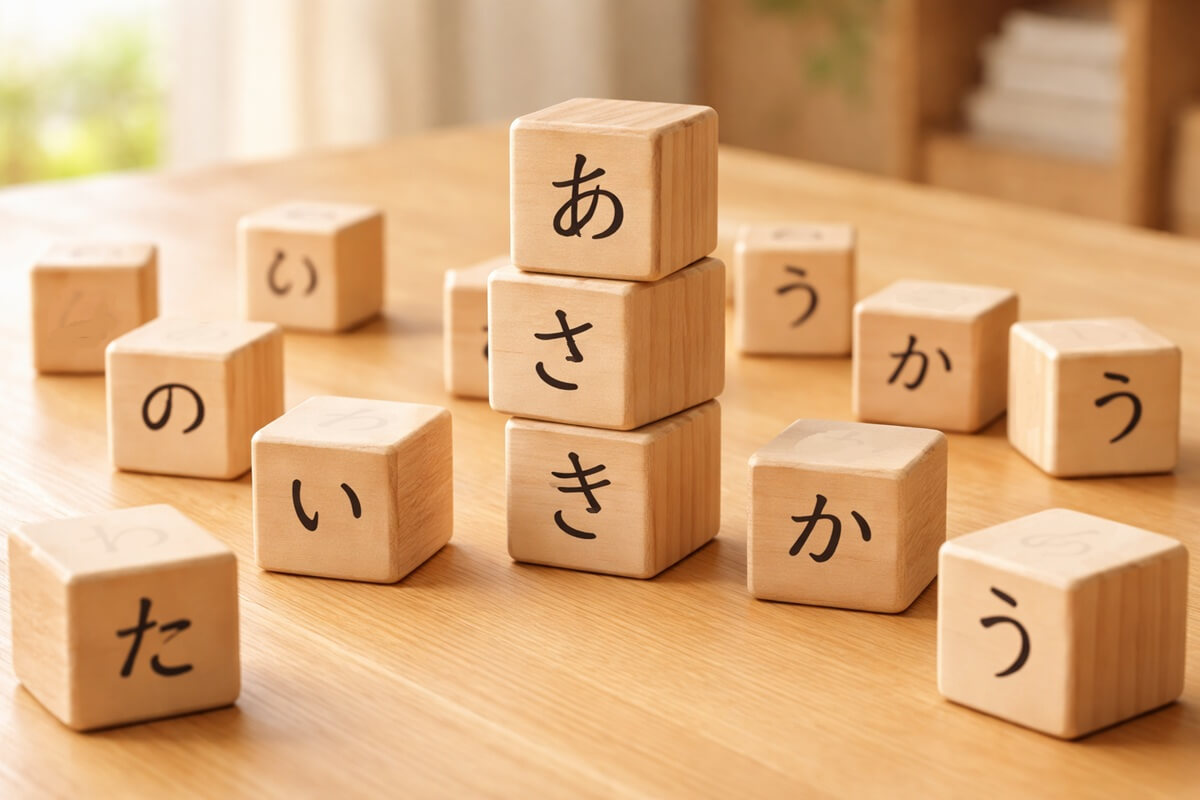
Do you want to learn Japanese but keep putting it off because the writing system looks overwhelming? You’re definitely not alone. Japanese writing can seem intimidating at first, especially if you’re new to the language.
The good news is this: you don’t need to learn everything at once. In fact, trying to tackle all of Japanese writing from the start is one of the biggest mistakes beginners make.
If your goal is to learn Japanese reading as quickly and efficiently as possible, you’re in the right place. This guide focuses only on what actually matters in the beginning—and nothing more.
What the Japanese Writing System Really Is
Unlike English, Japanese does not use a single alphabet. Instead, it uses three different writing systems, each with a specific role:
- Hiragana
- Katakana
- Kanji
If you want fast progress, you should start with just one of these and ignore the rest for now.
Start With Hiragana (This Is Essential)
Hiragana is the foundation of written Japanese. It represents the basic sounds of the language and appears everywhere.
Hiragana is commonly used for:
- Beginner textbooks
- Grammar endings
- Children’s books
- Pronunciation guides for Kanji
There are 46 basic Hiragana characters, and they are completely phonetic. Each character represents a single sound, and that sound never changes. Once you learn them, reading Japanese becomes far less mysterious.
Official Hiragana and Katakana Chart (あいうえお表)
Reliable, official information about Japanese writing is available from the Japan Foundation, a government-supported organization dedicated to Japanese language education worldwide.
You can find an official Hiragana and Katakana chart here: https://www.erin.jpf.go.jp/en/extra/syllabary/
This page includes a clear and well-designed あいうえお表 for both Hiragana and Katakana, making it ideal for self-study.
Step 2: Avoid Cramming. Use Short Daily Practice.
It might be tempting to memorize all 46 Hiragana characters in one sitting, but this usually backfires. Your brain learns more effectively through repetition over time.
A better daily routine looks like this:
- Learn 5–8 characters per day
- Say the sounds out loud
- Write each character several times
You don’t need to remember everything on day one. By seeing the characters every day, your brain will naturally start to recognize them. Ten minutes a day is far more effective than one long study session per week.
Step 3: Learn Katakana After Hiragana
Hiragana and Katakana represent the same sounds, but they serve different purposes. Katakana is mainly used for:
- Foreign words
- Loanwords
- Brand names
- Non-Japanese names
Because you already know the sounds from Hiragana, Katakana will feel much easier to learn. The same official chart linked above includes Katakana, so you can continue using it without switching resources.
What About Kanji?
Kanji is an important part of Japanese, but it is not something you need to worry about at the beginning.
You do not need Kanji in order to:
- Learn pronunciation
- Learn basic phrases
- Learn simple sentences
Start with Hiragana and Katakana first. Once you feel comfortable reading them, you can gradually return to Kanji later. A slow and steady approach leads to better long-term results.
A Simple 14-Day Fast-Start Plan
Days 1–7
- Learn Hiragana (5–8 characters per day)
- Pronounce the sounds
- Write each character several times
Days 8–10
- Review all Hiragana
- Practice reading simple words
Days 11–14
- Learn Katakana
- Focus on common loanwords
By the end of two weeks, Japanese text will no longer look like random symbols. You’ll be able to read basic Japanese—slowly, but confidently. That’s real progress.
Final Thoughts
Learning Japanese writing is not about talent or intelligence. It’s about studying the right things in the right order.
- Hiragana first
- Katakana second
- Kanji last
Stick to this approach, keep your study sessions short, and Japanese will feel far less foreign sooner than you think.