
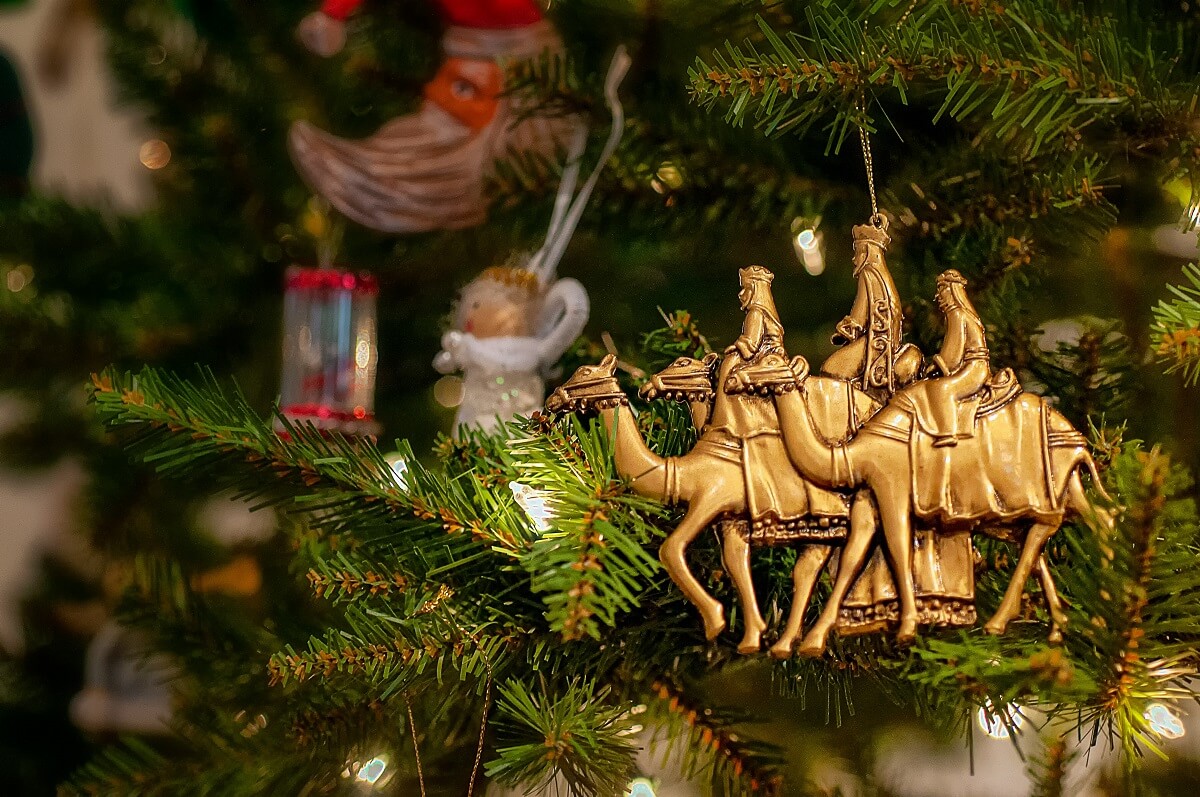
To understand Spain, you can’t stop at December 25—you have to look toward early January. Three Kings Day, known across the country as Los Reyes Magos, is often described as Spain’s “second Christmas.” It falls on January 6, but the excitement builds long before dawn breaks that morning. By early January, the streets, bakeries, and living rooms of Spain are buzzing with one of the most cherished celebrations of the year.
A Holiday More Special Than Christmas Day for Many
For many Spanish children, Santa may be a jolly visitor, but the Three Kings are the true heroes. Melchor, Gaspar, and Baltasar are the ones who bring the real presents.
On January 6, families feel the same excitement that many people in other countries feel on December 25. It all begins on the evening of January 5, when children leave out snacks for the Kings and water for the camels carrying the gifts. The following morning, wrapped surprises appear, and the country wakes up to a mix of joy, breakfast pastries, and torn wrapping paper.
The Cabalgata: Spain’s Biggest Parade Night of the Year
Every major city in Spain hosts a Cabalgata de Reyes, a parade where the Kings arrive in full pageantry: marching bands, dancers, floats, confetti, and choruses of children shouting for candy that rains down from the floats.
Madrid’s cabalgata fills the streets with thousands of families; Barcelona puts its own stamp on the night with giant puppets and gleaming lanterns, while even small towns turn their main streets into rivers of light. It’s one of those rare moments in Spain when every generation—from the oldest to the youngest—gathers outside in the cold, sharing the same sense of excitement.
The Sweet Star of the Season: Roscón de Reyes
No Spanish holiday is complete without food, and Three Kings Day has its crown jewel: the Roscón de Reyes. Picture a round brioche-style cake topped with candied fruit and often filled with whipped cream or custard.
Hidden inside are two surprises: a tiny figurine and a dry bean.
- Find the figurine and you wear the paper crown for the day.
- Find the bean and tradition says you buy next year’s roscón.
Many bakeries sell out of roscón, and the most popular ones often have long lines. Supermarkets stock large quantities of them. Families line up early on January 6 to secure their favorite one, and many start buying them days in advance.
Reyes 2026: What to Expect
Three Kings Day in 2026 will fall on a Tuesday. Many people may try to turn it into a long weekend, with celebrations stretching from the preceding weekend through Tuesday morning. Expect packed parades and fully booked trains and buses, with a rush at bakeries as early as January 4.
Cities such as Seville, Valencia, Málaga, and Zaragoza will be staging elaborate cabalgatas, each adding its own local twist to the festive tradition.
For visitors:
- Shops & Hours: Tourists can expect extended store hours on the weekend before, then widespread closures on January 6 itself.
- Transport: Public transport will be running, but stops near parade routes will be very crowded.
- Roscón Strategy: If you want a roscón, order one in advance or reserve it with a bakery.
- Parade Viewing: If you want a good viewing spot at the parade, arrive early and dress warmly—nights in January can be chilly.
Why the Tradition Endures
Los Reyes Magos has staying power because it packages generosity, spectacle, family time, and a strong sense of identity into one holiday. It holds on tight to the old while still welcoming the new. It is joyous, loud, and sweet, and it’s solidly anchored in community life. In a country that adores its holidays, this one still stands near the top.
Final Thoughts
As 2026 draws near, Spain will once again prepare for its most magical week of winter. Three Kings Day captures the warmth and imagination of the season with a style that is unmistakably Spanish. For families, it is a day of wonder; for travelers, it’s an opportunity to experience one of the country’s most beloved traditions; and for the culture itself, it’s a reminder that the festive spirit doesn’t end on December 25.
If Christmas is the overture, Los Reyes Magos is the encore—and in Spain, it’s often the encore that steals the show.