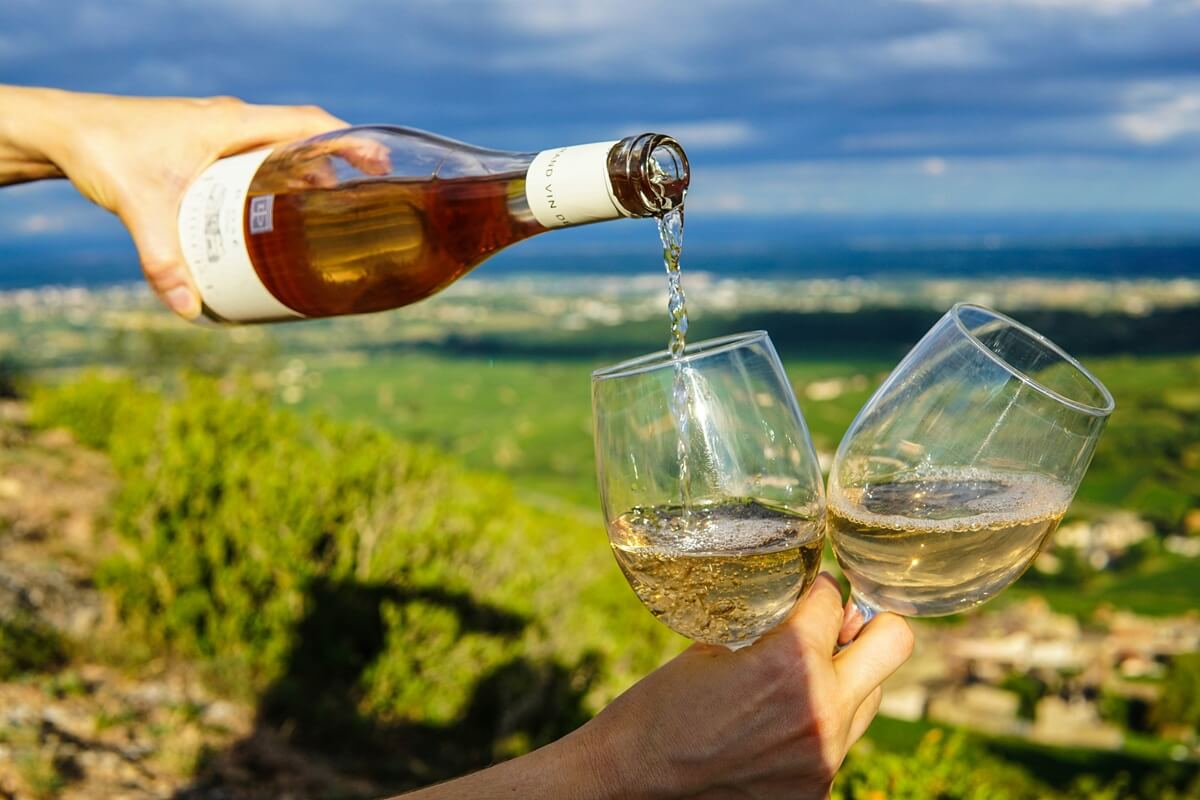
France isn’t just a wine-producing country — it’s the global gold standard. From Bordeaux to Burgundy, French vineyards have shaped the world’s wine scene for centuries. Whether you’re decoding a label or trying to sound like a pro at a tasting, this guide breaks down the essentials: French wine vocabulary (with French terms), key wine regions, tasting advice, and bonus tips to help you enjoy French wine like a local.
Essential French Wine Vocabulary
A few core terms can make a huge difference when reading labels or chatting with a sommelier.
- Appellation d’Origine Contrôlée (AOC): A certification that ensures the wine comes from a specific region and meets strict production standards.
- Château / Domaine: Château is typically used for estates in Bordeaux. Domaine is more common in Burgundy and other regions.
- Cru: Literally “growth” in French, this term refers to the quality level of a vineyard or wine. Grand Cru is the highest classification in some regions.
- Cuvée: A particular blend or batch of wine.
- Terroir: A wine’s distinct character, shaped by soil, climate, and vineyard location.
- Vieilles Vignes: “Old vines” — usually indicates lower yields and more concentrated flavors.
Key Wine Regions of France (and What They’re Known For)
France’s wine map includes several major regions, each with unique grapes, traditions, and climate.
1. Bordeaux
- Famous for: Cabernet Sauvignon and Merlot blends
- Style: Structured, age-worthy reds; also whites like Sauvignon Blanc and Sémillon
- Tip: Left Bank wines (e.g., Médoc) lean toward Cabernet. Right Bank (e.g., Saint-Émilion) favors Merlot.
2. Burgundy (Bourgogne)
- Famous for: Pinot Noir and Chardonnay
- Style: Elegant, nuanced, terroir-driven wines
- Tip: Labels focus on vineyard origin rather than grape variety. Knowing the villages helps.
3. Champagne
- Famous for: Sparkling wine from Chardonnay, Pinot Noir, and Pinot Meunier
- Style: Dry (Brut), bubbly, and complex
- Tip: Only sparkling wine from this region can legally be called Champagne.
4. Loire Valley (Vallée de la Loire)
- Famous for: Sauvignon Blanc (Sancerre), Chenin Blanc, Cabernet Franc
- Style: Fresh, mineral-rich, and crisp whites
- Tip: A great region for affordable, food-friendly wines.
5. Rhône Valley (Vallée du Rhône)
- Famous for: Syrah (North), Grenache blends (South)
- Style: Rich, spicy reds and aromatic whites
- Tip: Try Côte-Rôtie from the north, and Châteauneuf-du-Pape from the south.
6. Alsace
- Famous for: Riesling, Gewürztraminer, Pinot Gris
- Style: Aromatic whites, often dry but fruit-forward
- Tip: One of the few regions where grape names appear on labels.
7. Provence
- Famous for: Rosé
- Style: Light, dry, and refreshing
- Tip: A perfect summer wine — pairs beautifully with seafood or light meals.
Tasting Tips: How to Enjoy French Wine Like a Pro
You don’t need to be a sommelier — just follow these steps to enjoy every sip.
1. Look
Tilt your glass against a white background. Younger wines are vibrant in color; older ones show fading at the rim.
2. Smell (Nose)
Swirl the wine gently to release aromas. Take a few short sniffs — you might detect fruit, herbs, spices, earth, or even notes of leather and smoke.
3. Taste
Sip (don’t gulp). Pay attention to structure:
- Is it dry or sweet?
- Light- or full-bodied?
- Smooth or tannic?
- How long does the flavor linger?
4. Pair
French wine often shines when matched with food:
- Sancerre + goat cheese
- Bordeaux + steak
- Burgundy + roast chicken
Match weight with weight, and aim for harmony or contrast in flavors.
Bonus: How to Buy French Wine Without Stress
- Stick to regions you enjoy: Region often equals style.
- Don’t worry about pronunciation: Just knowing what you like is enough.
- Look for smaller producers: They often offer better value than big-name estates.
- Ask for guidance: Wine shop staff or restaurant sommeliers are usually happy to help.